
Travel
Tarnplanen: Your Full Guide to Camouflage Tarps for Protection and Concealment

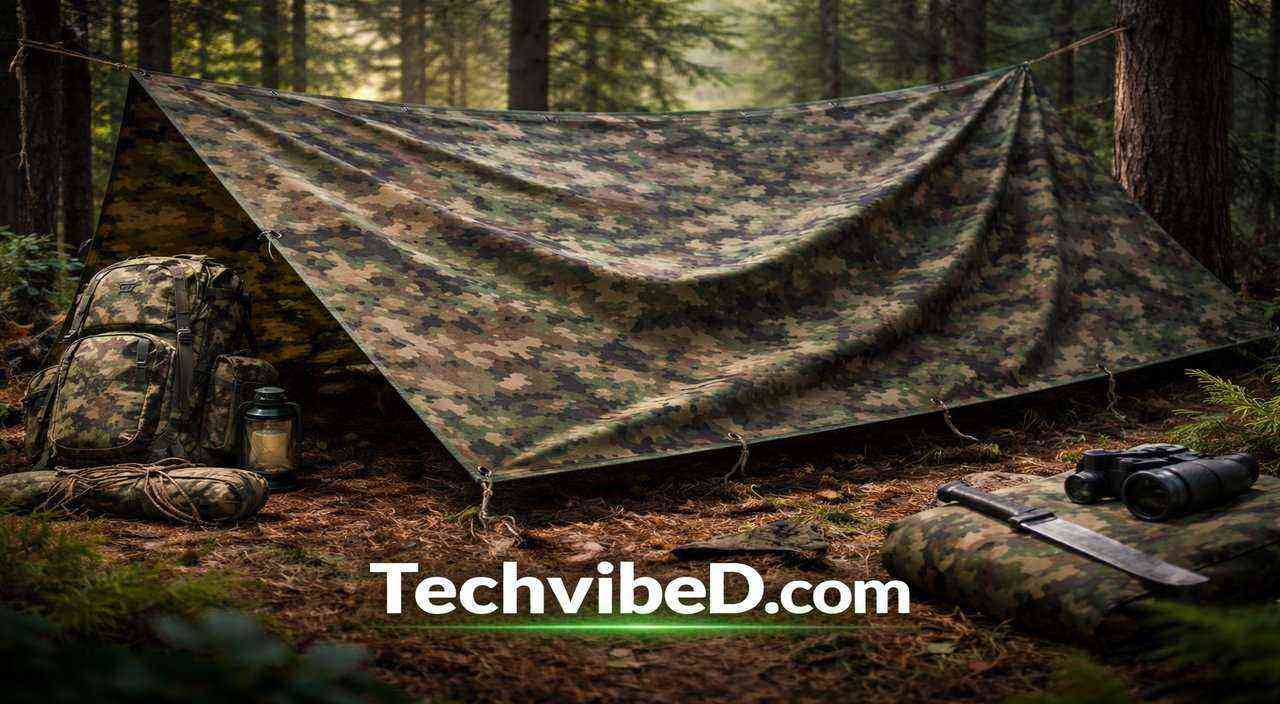
Tarnplanen offer a smart way to stay hidden and safe in nature or tough settings. These items come from a mix of old military needs and modern outdoor demands. If you like camping, hunting, or need gear for work in the field, tarnplanen can change how you handle weather and visibility. This guide covers everything from basics to care tips. You will learn why they stand out from regular tarps and how to pick one that fits your needs. By the end, you will see tarnplanen as key tools for anyone who spends time outside. They help keep you dry, out of sight, and ready for what comes next. Whether you are new to this or have experience, the details here will help you make good choices.
What is Tarnplanen?
Tarnplanen are special covers made from strong fabric that help people and things blend into their surroundings. The name comes from German words: “tarn” means camouflage, and “planen” means tarps or sheets. So, tarnplanen are basically camouflage tarps built for hiding and shielding. They go beyond simple rain covers by using patterns that match forests, deserts, or even city areas. This makes them useful for keeping low profile while protecting against rain, wind, or sun. Unlike plain tarps, tarnplanen have extra strength to handle rough use without tearing easily. People use them to cover gear, set up quick shelters, or hide spots in the wild. Their design focuses on being light yet tough, so you can carry them in a backpack without much hassle.
In everyday terms, think of tarnplanen as a blanket for the outdoors that also acts like a cloak. They come with holes called grommets around the edges for tying ropes or stakes. This setup lets you stretch them over tents, vehicles, or even as a ground mat. The camouflage print breaks up shapes, making it hard for others to spot you from afar. For example, in a green forest, the patterns use shades of brown and green to mimic leaves and trees. This feature sets tarnplanen apart and explains why they are popular among soldiers and campers alike. Overall, they provide a mix of cover and comfort that regular sheets cannot match.
History of Tarnplanen
The story of tarnplanen starts in the military world, mainly in Europe during the early 1900s. Armies needed ways to hide troops and supplies from enemies, especially in open fields or woods. German forces led the way by creating fabric covers with natural-looking patterns. These early versions helped during wars by making camps and vehicles less visible from the air or ground. Over time, as technology improved, the designs got better with stronger materials and more effective camouflage. After major conflicts, extra military stock became available to the public, spreading tarnplanen to hunters and outdoor fans.
By the mid-20th century, tarnplanen evolved for civilian use. People saw their value in camping and survival trips, where staying dry and hidden matters. Companies started making lighter versions for hikers who wanted portable gear. Today, tarnplanen mix old military ideas with new fabrics like ripstop nylon. This growth shows how a tool for war turned into something for fun and safety in nature. Many current models still draw from NATO standards, keeping that tough build. The shift highlights how practical items can adapt to new needs over decades.
Types of Tarnplanen
Tarnplanen come in different styles to suit various tasks. Military-grade ones are the toughest, made for hiding camps or vehicles in missions. They use thick fabrics and complex patterns to avoid detection by drones or patrols. These often have extra features like UV protection to last in harsh sun. For outdoor fans, lighter types work best for camping or hiking. They fold small and set up fast as shelters or ground covers. Some even come in shapes like rectangles for easy tent extensions.
Another kind includes commercial tarnplanen for work sites or storage. These focus on covering tools or loads on trucks while blending in if needed. Patterns vary by environment: woodland prints for forests, desert ones for sandy areas, or urban grays for city use. Sizes range from small personal covers to large group ones. Each type balances weight, strength, and camouflage level. Picking the right one depends on where you will use it and what you need to protect. This variety makes tarnplanen flexible for many situations.
Will You Check This Article: Alhambra Palace Night Tour Attendance and Revenue: A Complete Guide
Materials Used in Tarnplanen
Tarnplanen rely on strong materials to handle tough conditions. Polyester or nylon forms the base for many, offering light weight and tear resistance. These fabrics get coated with PVC or polyurethane to block water completely. This setup keeps rain out while letting the cover dry fast after use. For extra strength, ripstop weaves stop small rips from growing bigger. Cotton blends appear in some models for breathability, reducing sweat buildup under the cover.
Other options include canvas for heavy-duty needs, which stands up to sharp objects and wind. Polyethylene shows up in cheaper versions, good for short trips or quick setups. All types often have UV treatments to fight fading from sun exposure. Grommets made from rust-proof metal add secure points for ropes. These choices ensure tarnplanen last through seasons of use. The mix of materials makes them reliable for both wet forests and dry deserts, giving users peace of mind in any weather.
Uses in Military Settings
In the military, tarnplanen play a key role in keeping operations hidden. Soldiers use them to cover vehicles, making them hard to spot from the sky or afar. This concealment helps during patrols or setups in enemy areas. They also shield equipment from rain and dust, keeping tools ready for action. In camps, tarnplanen create quick shelters that blend with the land, reducing risks from scouts or drones. Their patterns match specific zones like jungles or mountains for better hiding.
Beyond hiding, tarnplanen serve as barriers against wind or cold in field bases. Teams can drape them over supplies to protect from weather while staying low-key. In training, they teach new recruits about camouflage tactics. Even in urban fights, gray or mixed patterns help blend with buildings. This versatility makes tarnplanen a standard item in many armies. They save time by setting up fast and packing small, fitting into standard gear loads. Overall, they boost safety and success in missions.
Uses in Outdoor Activities
For outdoor lovers, tarnplanen make trips safer and more comfortable. Campers set them up as rain flies over tents to keep dry during storms. Their camouflage helps blend campsites into woods, ideal for wild spots where you want to stay unnoticed. Hikers carry light versions to create emergency shelters if weather turns bad. As ground sheets, they block damp soil and bugs from sleeping areas. Hunters use them for blinds, hiding while waiting for game without scaring it away.
In survival scenarios, tarnplanen cover backpacks or food from animals and elements. Photographers rely on them to conceal setups near wildlife. For group outings, larger ones make shared cooking areas or shade spots. They even work for beach trips by blocking wind and sun with sandy patterns. Easy to tie with ropes, they adapt to trees or poles. This makes tarnplanen a go-to for anyone planning time in nature, adding protection without extra weight.
Benefits of Using Tarnplanen
Tarnplanen bring many advantages for users in tough spots. Their main strength is concealment, helping you stay out of sight in nature or fields. This feature protects gear from theft or damage by blending it in. They also shield against bad weather, keeping rain and wind away for better comfort. Durability means they last through rough handling without easy tears. Portability stands out too, as they fold small for easy carrying in bags.
Another plus is versatility across settings, from woods to deserts. UV protection stops fading and extends life under sun. Compared to plain tarps, tarnplanen offer more value by combining hide and hold functions. They promote safety by reducing exposure to cold or heat. For health, they cut down on wet conditions that lead to illness. In short, tarnplanen give reliable support that boosts confidence outside.
How to Choose the Right Tarnplanen
Picking a tarnplanen starts with your main use. For military or survival, go for thick, military-grade ones with strong patterns. Check size: small for solo trips, large for groups or vehicles. Look at materials like nylon for light weight or canvas for extra toughness. Ensure it has waterproof coatings and UV guards for long use. Grommets should be metal and spaced well for secure ties.
Read reviews from trusted sellers to avoid low-quality items. Match the camouflage to your area, like green for forests or tan for sands. Test portability by seeing how it packs. Budget matters, but invest in certified ones for better results. Think about shape: rectangles for shelters, squares for covers. This way, your tarnplanen fits your needs perfectly and lasts.
Maintenance and Care Tips
Keeping tarnplanen in good shape takes simple steps. After use, shake off dirt and leaves before folding. Clean with cool water and mild soap, avoiding strong chemicals that harm the fabric. Let it dry fully in shade to stop mold growth. Store in a cool, dry spot away from sun to keep colors bright. Check for rips or weak spots often, and fix small ones with patches.
Handle grommets carefully to prevent rust; wipe them after wet use. Fold neatly to avoid creases that weaken over time. For heavy stains, use soft brushes but not machines. Regular care makes tarnplanen last years, saving money on replacements. This routine keeps them ready for your next trip.
Conclusion
Tarnplanen prove their worth as tools for hiding and protection in many ways. From military roots to outdoor fun, they offer strength and smart design. This guide shows how to understand, choose, and care for them. With the right one, you gain better safety and ease in nature. Try tarnplanen on your next adventure to see the difference.
Share this content:

The Alhambra Palace in Granada, Spain, stands as a top draw for tourists around the world. Its night tours offer a special way to see this historic site under the stars, away from the busy daytime crowds. Many people search for details on Alhambra Palace night tour attendance revenue because it shows how these tours support the site’s upkeep and boost the local area. This guide covers visitor numbers, income details, trends, and more, based on recent data. It aims to give you all the facts you need to understand this topic fully.
What Are Alhambra Palace Night Tours?
Overview of the Tours
Alhambra Palace night tours let visitors walk through key parts like the Nasrid Palaces and gardens after sunset. These tours run on select evenings, often from 10 PM to midnight in summer or earlier in winter. The site limits groups to keep things quiet and protect the old buildings. Lights highlight the detailed carvings and water features, creating a calm feel different from day visits. Managed by the Patronato de la Alhambra y Generalife, these tours focus on safety and care for the UNESCO World Heritage site. They started to spread out crowds and add a fresh option for travelers. About 400 to 500 people join each night during busy times, making it an exclusive choice.
Ticket Prices and Options
Tickets for Alhambra Palace night tours cost between €18 and €35 per person, depending on the type. Basic entry covers self-guided walks, while guided options add €5 to €10 more for expert talks. Private group tours for up to six people go for around £185, or about €220, offering a custom path. Prices stay higher than day tickets to match the special setting and lower numbers. You buy them online through the official site or trusted sellers, and they sell out fast in peak months. Discounts apply for kids, seniors, or EU citizens, but spots are capped to avoid overload. This setup helps control flow while keeping quality high.
Attendance Trends for Alhambra Palace Night Tours
Annual Visitor Numbers
Each year, Alhambra Palace night tours draw 120,000 to 150,000 visitors. This makes up just 5% to 6% of the site’s total 2.5 to 3 million guests. In 2024, the whole Alhambra saw 2.72 million people, showing steady growth after travel bounces back. Night attendance stays stable due to strict limits set for protection. Most come from abroad, with 73% foreign tourists versus 64% for days. Numbers rose in 2023 to about 130,000 as global trips increased. These figures come from site reports and tourism studies, highlighting how night slots fill a niche for those wanting less rush.
Seasonal Variations
Attendance for Alhambra Palace night tours changes with the seasons. Summer months like June to August see peaks, with 400 to 500 visitors per night and quick sell-outs weeks ahead. Winter drops to half that, as cooler weather and shorter days cut interest. For example, July 2024 had high turnout, while January saw fewer. This pattern ties to holiday times and school breaks. Spring and fall offer a middle ground, with mild nights pulling steady crowds. Site managers adjust schedules to match, running more tours in warm periods. Tracking these shifts helps predict busy times and plan trips better.
Comparison with Daytime Visits
Day tours at the Alhambra pull in over 2 million visitors yearly, far outpacing night ones. Days allow up to 8,000 entries, while nights cap at hundreds to ease strain on structures. Night groups are smaller, often 20 to 30 per guide, versus larger day crowds. This makes nights feel more personal but harder to book. Attendance data shows days handle volume, but nights attract those seeking quiet. In 2023, nights were 5% of visits but added unique value. Both types support the site, but nights help spread out wear and tear across hours.
Will You Check This Article: Alhambra Night Tour Attendance Revenue: A Complete Guide
Revenue Insights from Alhambra Palace Night Tours
Annual Revenue Figures
Alhambra Palace night tour attendance revenue hits €8 million to €12 million each year. In 2023, it reached €8.4 million, up from prior years as travel recovered. With 120,000 to 150,000 visitors, each pays an average €60 to €80 including extras. Monthly breakdowns show July 2024 at €900,000, versus €385,000 in January. These numbers come from ticket sales tracked by the Patronato. Growth ties to rising demand for premium experiences. By 2026, it could top €10 million if trends hold.
Contribution to Overall Income
Night tours make up 15% to 22% of the Alhambra’s total ticket income, despite low visitor share. The site’s full budget includes €38 million from visits, with nights adding key funds. Higher prices per person boost this—nights earn more per head than days. In 2023, they covered 22% of sales. This helps pay for upkeep, staff, and fixes. Without nights, income would drop, as they fill gaps in day limits. Reports show this share growing as more seek exclusive slots.
Factors Driving Revenue
Higher ticket costs drive Alhambra Palace night tour attendance revenue. Premium options like private groups add value, pulling in families and couples. Limited spots create demand, leading to fast sales and full tours. Add-ons such as audio guides or photos push per-person spend. Global tourism recovery post-2020 lifted numbers, with foreign visitors paying full rates. Online booking ease helps too, cutting no-shows. Site rules keep quality high, encouraging repeats and reviews that attract more.
Factors Influencing Attendance and Revenue
Tourism Trends
Global travel patterns shape Alhambra Palace night tour attendance revenue. Post-pandemic, international visitors from the US, France, and Asia rose, boosting nights by 6.8% in 2024. Social media shares of lit-up views draw younger crowds. Eco-tourism pushes for low-impact options like nights, which ease day pressure. Events in Granada, like festivals, spike turnout. Economic ups and downs affect spending—strong years see more premium buys. Tracking these helps forecast, with 2025 data showing steady climbs.
Pricing Strategies
Smart pricing keeps Alhambra Palace night tour attendance revenue strong. Base tickets at €18 draw budget travelers, while €220 groups target high-end. Seasonal adjustments hold steady, but extras like guides add €10. Caps on spots create scarcity, justifying costs. Compared to days at €14, nights charge more for the vibe. Discounts for locals or kids widen reach without cutting income. This mix ensures steady flow, with reports showing 15% to 20% total share from nights. Managers review yearly to balance access and funds.
Preservation Efforts
Site care directly ties to Alhambra Palace night tour attendance revenue. Limits protect walls and floors from too many feet, allowing nights without harm. Funds from tickets fix paths and lights, keeping appeal high. The Patronato uses income for green projects, like better water systems. Strict rules, like no flash photos, maintain quality. This sustains draw—visitors pay for a well-kept spot. Data shows caps hold attendance at 150,000 max, ensuring long-term viability. Without this, revenue could fall from damage or closures.
Economic Impact and Future Prospects
Local Economy Benefits
Alhambra Palace night tour attendance revenue aids Granada’s jobs and businesses. It creates roles for guides, guards, and cleaners, plus indirect work in hotels and eateries. Visitors stay longer for nights, spending on meals or shops—adding € millions locally. In 2023, nights helped tourism hit records. Funds support community events and transport. Foreign cash flows in, with 73% from abroad. This spreads wealth beyond the site, making tourism a key driver.
Projections for Growth
Looking ahead, Alhambra Palace night tour attendance revenue may rise past €10 million by 2026. New premium features, like virtual add-ons, could boost it. Tourism recovery and marketing aim for 160,000 visitors yearly. Challenges like weather or rules may cap growth, but demand stays high. Site plans focus on tech for bookings and eco-steps to attract green travelers. If global trips keep up, revenue could hit €15 million by 2030, per trends.
In summary, Alhambra Palace night tour attendance revenue plays a big role in keeping this landmark thriving. With solid visitor numbers and smart income use, it balances fun and care. Whether planning a trip or studying tourism, these details show its lasting value.
Share this content:

The Alhambra in Granada, Spain, stands as a key attraction for travelers worldwide. Its night tours offer a special way to see the site under lights, away from daytime crowds. This guide looks closely at Alhambra night tour attendance revenue, breaking down visitor numbers, income sources, and their effects. By understanding these aspects, readers can see how these tours help keep the site running while boosting local jobs. We’ll cover trends, factors at play, and future outlooks based on recent data.
What Are Alhambra Night Tours?
Alhambra night tours let visitors walk through parts of the palace after sunset. These include the Nasrid Palaces, gardens, and Generalife areas, often with guided options. Tours run most evenings, but slots are limited to protect the historic buildings. Unlike day visits, night ones create a calm setting with soft lighting that highlights carvings and water features. This setup appeals to those seeking a quiet visit. Tickets must be booked ahead, as they sell out fast during busy times.
Types of Night Tours Available
Several night tour options exist at the Alhambra. The main one focuses on the Nasrid Palaces, where guests spend about 90 minutes exploring rooms and courtyards. Another covers the gardens and Generalife, lasting around an hour. There’s also a combined package for both. Private group tours cost more, like around 185 euros for up to six people, including a guide. These choices allow flexibility for different interests and budgets, making the experience accessible yet exclusive. Each type limits group sizes to ensure safety and enjoyment.
Why Night Tours Stand Out
Night tours differ from day ones by offering a magical feel with fewer people around. Lights cast shadows that bring out details in the architecture, like intricate tiles and arches. Visitors often say the cooler air and quiet make it more enjoyable, especially in summer heat. This unique appeal drives demand, contributing to steady Alhambra night tour attendance revenue. The controlled environment also helps preserve the site by spreading out visitor traffic throughout the day and evening.
Historical Background of Alhambra Night Tours
The Alhambra has welcomed night visitors since the early 2000s as part of efforts to manage crowds and increase access. Before that, only special events allowed evening entry. Officials introduced regular night tours to ease daytime pressure on the fragile structures. This move came after UNESCO listed the site in 1984, stressing the need for sustainable tourism. Over time, these tours grew in popularity, becoming a core part of the visitor program.
How Night Tours Started
In 2007, the Patronato de la Alhambra y Generalife launched structured night visits to balance conservation with public interest. Initial offerings were basic, focusing on key areas like the palaces. Feedback led to improvements, such as better lighting and audio guides. By 2010, attendance began rising as word spread through travel sites and reviews. This growth directly tied to Alhambra night tour attendance revenue, funding further enhancements. The program’s success showed how evening access could extend the site’s appeal without harming it.
Changes Over the Years
Night tours have evolved with technology and visitor needs. Online booking started in 2012, making it easier to secure spots. During the COVID-19 period, capacity dropped to follow health rules, but recovery was quick. By 2023, numbers returned to pre-pandemic levels, with tweaks like timed entries to avoid crowds. These updates kept Alhambra night tour attendance revenue stable, even in tough times. Officials now use data from past years to plan schedules and pricing.
Will You Check This Article: Zuschneidfelle: The Complete Guide to Cut-to-Fit Climbing Skins for Ski Touring
Attendance Trends for Alhambra Night Tours
Recent data shows Alhambra night tour attendance holding steady at 120,000 to 150,000 visitors per year. This represents about 5% to 6% of the total 2.6 million to 2.7 million annual visitors to the site. Numbers peak in warmer months, reflecting tourism patterns in Spain. Despite limits on daily slots, demand remains high, with many sessions selling out weeks ahead.
Yearly Visitor Numbers
From 2023 onward, night tour attendance reached around 130,000 people yearly, up from lower figures during restrictions. In 2024, it climbed closer to 140,000 as travel rebounded. These figures come from official reports and tourism analyses. Compared to daytime, night visits are smaller in volume but consistent. Factors like holidays boost counts, with summer seeing 400 to 500 guests per night. Winter drops to 200 to 300, yet overall trends show growth tied to global tourism recovery.
Seasonal Patterns in Attendance
Attendance varies by season, with spring and summer drawing the most crowds due to mild weather and vacations. April to October averages 400 visitors nightly, filling nearly all slots. Fall maintains good numbers, around 300 per session. Winter sees fewer, but events like Christmas lights attract extras. These patterns affect Alhambra night tour attendance revenue, as higher summer turnout increases total income. Managers adjust schedules to match demand, ensuring steady flow year-round.
Comparison to Past Years
Pre-2020, attendance hovered at 110,000 to 130,000 annually. The dip in 2020-2021 cut numbers by half, but 2022 saw a rebound to 120,000. By 2025, estimates suggest nearing 150,000 as international visitors return. This upward trend highlights resilience. Alhambra night tour attendance revenue follows suit, recovering faster than expected due to premium pricing.
Factors Affecting Alhambra Night Tour Attendance
Several elements influence how many people join night tours. Weather plays a big role, as rain or cold can deter outdoor walks. Marketing through social media and travel apps boosts awareness. Global events, like economic shifts or travel bans, also impact numbers. Local festivals in Granada draw more visitors, tying into broader tourism.
Weather and Seasonal Impacts
Warm evenings encourage higher turnout, especially in summer when days are hot. Rainy periods reduce interest, as parts of the tour are outside. Data shows a 20% to 30% drop in wet months. Managers monitor forecasts to adjust promotions. This variability directly links to Alhambra night tour attendance revenue, with better weather leading to more sales.
Marketing and Promotion Efforts
Online campaigns and partnerships with tour operators drive attendance. Reviews on sites like TripAdvisor highlight the experience, attracting repeats. Discounts for groups or off-peak times help fill slots. These strategies have lifted numbers by 10% to 15% in recent years. Effective promotion ensures Alhambra night tour attendance revenue stays strong.
Global Tourism Influences
International travel trends affect attendance, with visitors from Europe, the US, and Asia making up most. Economic downturns lower numbers, while booms increase them. Post-pandemic, a surge in demand pushed figures up. This global tie means Alhambra night tour attendance revenue reflects wider patterns.
Revenue from Alhambra Night Tours
Night tours generate €8 million to €12 million yearly, despite lower visitor counts than daytime. This comes from higher ticket prices and add-ons like guides. In 2023, it was €8.4 million, or 22% of total ticket income. Funds support site upkeep and local economy.
How Ticket Prices Contribute
Standard night tickets cost €18 to €25, higher than day ones at €14 to €19. Private tours add more, up to €200 per group. With 120,000 to 150,000 visitors, this pricing yields strong returns. Seasonal adjustments, like peak surcharges, boost Alhambra night tour attendance revenue further.
Additional Income Sources
Beyond tickets, revenue includes merchandise, audio guides, and special events. Guided tours add €5 to €10 per person. Partnerships with hotels for packages increase earnings. These extras make up 10% to 15% of total, enhancing Alhambra night tour attendance revenue.
Yearly Revenue Breakdown
In 2024, revenue hit €9.5 million, up from €8.4 million in 2023. Summer months bring €800,000 to €900,000 each, while winter averages €300,000 to €400,000. This seasonal split shows how attendance drives income.
Economic Impact of Alhambra Night Tour Attendance Revenue
Revenue from night tours funds preservation, covering repairs and staff. It also creates jobs in guiding and security. Locally, it supports Granada’s economy through visitor spending on food and stays.
Funding for Site Preservation
About 40% of income goes to maintenance, like restoring walls and gardens. This ensures the Alhambra lasts for future generations. Alhambra night tour attendance revenue plays a key role in these efforts.
Benefits to Local Economy
Visitors spend on nearby businesses, adding millions to Granada’s income. Jobs in tourism rise with higher attendance. Studies show each euro from tours generates three in the community.
Role in Sustainable Tourism
By limiting numbers, tours promote green practices. Revenue invests in eco-friendly tech, like LED lights. This balance keeps Alhambra night tour attendance revenue growing responsibly.
Comparison with Daytime Tours
Day tours draw 2.5 million visitors yearly, far more than night’s 150,000 max. Yet night revenue per visitor is higher due to pricing. Days focus on volume; nights on quality.
Visitor Numbers vs. Revenue Per Person
Day attendance is 90% of total, but revenue share is lower at 78%. Night’s €60 to €80 per person contrasts day’s €20 average. This makes Alhambra night tour attendance revenue efficient.
Operational Differences
Days handle crowds with more staff; nights need lighting and security. Costs are similar, but night’s exclusivity yields better margins.
Why Night Tours Add Value
Nights relieve day pressure, extending site use. They attract premium visitors, boosting overall income.
Future Projections for Alhambra Night Tour Attendance Revenue
By 2026, revenue may top €10 million with rising tourism. Attendance could hit 160,000 if capacity grows slightly.
Expected Growth Trends
With global travel up, 5% to 7% annual increases are likely. Tech like VR previews may draw more.
Potential Challenges
Overcrowding risks and climate changes pose issues. Managers plan caps and adaptations.
Opportunities for Improvement
New packages and marketing could lift numbers. Sustainability focus will keep Alhambra night tour attendance revenue healthy.
Tips for Planning an Alhambra Night Tour
Book early, ideally two months ahead for peak times. Check weather and wear comfy shoes. Combine with dinner in Granada for a full evening.
Booking and Preparation Advice
Use the official site for tickets. Arrive early to avoid lines. Guides enhance understanding.
Best Times to Visit
Summer for warmth, but fall for fewer crowds. Avoid rainy seasons.
Making the Most of Your Visit
Take photos, but respect rules. Learn history beforehand for deeper appreciation.
In summary, Alhambra night tour attendance revenue supports a vital part of this historic site’s operations. With steady visitor numbers and smart pricing, it ensures preservation and economic benefits. As trends evolve, these tours will continue to offer value for all involved.
Share this content:
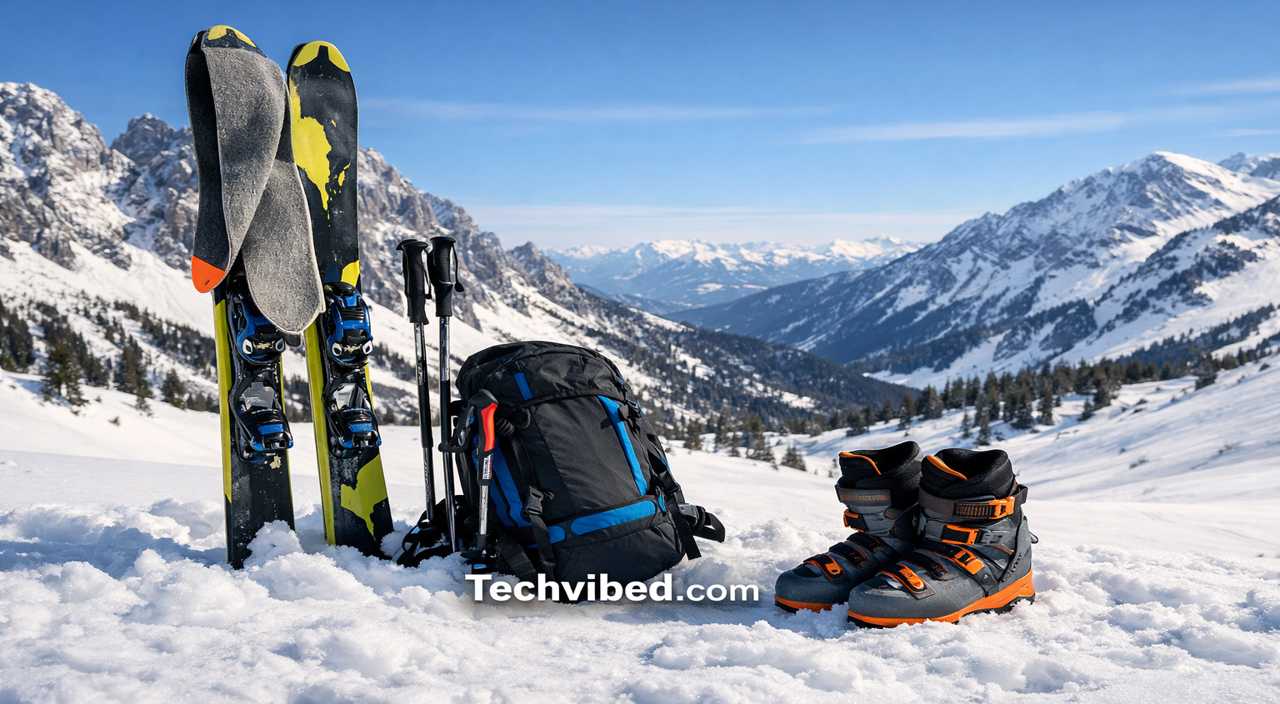
If you love ski touring or splitboarding in the backcountry, you know how important the right gear is for a safe and fun trip. Zuschneidfelle stand out as a key piece of equipment that many people overlook at first. These are climbing skins you can cut to fit your skis or splitboard exactly. The word comes from German, where “zuschneiden” means to cut to size, and “felle” means skins. This guide will cover everything you need to know about zuschneidfelle, from what they are to how to use them. We’ll go into detail so you can make smart choices and get the most out of your setup.
What Are Zuschneidfelle?
Zuschneidfelle are special climbing skins made for people who ski tour or use splitboards. They come in a wide and long format so you can trim them to match your gear perfectly. This design lets them work with many different skis, from short touring ones to long alpine models, or even splitboards. The main goal is to give good grip on snow when going uphill, while letting you glide smoothly. Without a good fit, your skins might slip or drag, which wastes energy and can be dangerous on steep slopes. By cutting them yourself, you get a custom match that factory options often can’t provide. This makes zuschneidfelle popular among those who want control over their equipment.
Many zuschneidfelle use a mix of materials to balance performance. For example, they often blend mohair for better glide and nylon for strong grip. Mohair comes from goat hair and helps with smooth movement on flat or gentle slopes. Nylon adds toughness, which is great for icy spots or rough terrain. This combination means you can move faster uphill without getting tired quickly. Zuschneidfelle also come with parts like tail clips already attached, making setup easier. If you’re new to backcountry sports, starting with these can help you learn how gear works together.
Why Choose Zuschneidfelle Over Pre-Cut Options?
Choosing zuschneidfelle gives you flexibility that pre-cut skins lack. Pre-cut versions are made for specific ski models, so if you change skis, you might need new skins. With zuschneidfelle, one pair can adapt to different setups by trimming them again if needed. This saves money in the long run, especially if you own multiple pairs of skis or like to upgrade often. The custom fit also improves safety by ensuring the skins stay in place during climbs, reducing the chance of slips on tricky ground.
Another reason to pick zuschneidfelle is the learning it offers. Cutting them yourself teaches you about your skis’ shape, like the tip, waist, and tail measurements. This knowledge helps with other gear maintenance too. Plus, a precise cut exposes the ski edges just right, which is key for control when turning or stopping. In comparison, pre-cut skins might leave gaps or overlap, leading to poor performance. Zuschneidfelle let you adjust for wear over time, making them a smart choice for serious tourers who value reliability.
Will You Check This Article: The Complete Guide to Rapelusr: Everything You Need to Know
Materials and Types of Zuschneidfelle
Most zuschneidfelle are made from a blend of mohair and nylon. Mohair provides excellent glide, which means less effort when moving forward on snow. It’s also resistant to wear from friction, so it lasts longer on rough surfaces. Nylon brings durability and better grip, especially on steep or icy paths where you need extra hold. Some models focus more on one material over the other, depending on what you need. For instance, a higher mohair mix is good for long tours where speed matters, while more nylon suits aggressive climbs.
There are a few types to consider. Basic zuschneidfelle come as straight strips you trim fully. Others have pre-mounted tips or tails to make cutting simpler. Some are designed just for skis, while others work for splitboards too. Look for ones with included cutters for easy trimming at home. If you tour in wet snow often, choose water-resistant options to keep the adhesive strong. Always check the width and length range to match your gear. This variety means you can find zuschneidfelle that fit your style, whether you’re a beginner or experienced.
How to Trim Zuschneidfelle Step by Step
Trimming zuschneidfelle is a simple process, but it takes care to get it right. Start by gathering your tools: the skins, skis, a cutter from the kit, and a clean workspace with good light. Measure your ski’s length first. Place the skin on the ski base and mark where it should end at the tip and tail. Skins are usually a bit longer, so trim off the extra with sharp scissors or the cutter. Make sure the adhesive side sticks well during this step.
Next, trim the width. Attach the skin to the ski and align it in the center. Use the cutter to follow one edge, keeping the metal edge exposed but the base covered. Do small cuts to avoid mistakes. Flip the skin and repeat for the other side. Pay close attention to the tail, as it tapers and needs even coverage for good grip. After trimming, attach the tail clip if it’s not already on. Test the fit by putting the skin on and off a few times. It should stay secure but remove easily. If it shifts, re-trim slightly.
Benefits of Using Zuschneidfelle
One big benefit of zuschneidfelle is their universal fit. You can use them on different skis or splitboards without buying new ones each time. This is great if you share gear or try new models. The custom trim also balances grip and glide better, so you use less energy on long ascents. In varied snow, this means less fatigue and more enjoyment.
Zuschneidfelle are durable too. The material mix resists wear, and you can adjust them as skis change shape from use. This extends their life, saving you money. For safety, a perfect fit reduces risks like slipping on steep terrain. Beginners find them easy because of pre-mounted clips and simple cutters. Overall, they make backcountry trips more efficient and confident.
Maintenance and Care for Zuschneidfelle
Proper care keeps zuschneidfelle working well for many seasons. After each tour, let them dry fully before storing. Hang them in a cool, dry spot to avoid mold or adhesive damage. Clean off snow, dirt, or debris with a soft brush. If glue builds up, use a skin-specific cleaner to restore stickiness.
Apply wax to the grip side for better glide, especially in sticky snow. Rub it on evenly and let it dry. Check for wear like dull edges or torn parts, and re-trim if needed. Store them flat or rolled, not folded, to prevent creases. With regular care, zuschneidfelle can last years, making them a reliable part of your kit.
Tips for Beginners Using Zuschneidfelle
If you’re new to zuschneidfelle, start slow. Practice trimming on an old pair if possible. Watch videos for visual help, but follow your kit’s instructions. Measure twice before cutting to avoid errors. Work in a quiet space without rush.
Choose zuschneidfelle with easy features like pre-mounted clips. Test them on short tours first to see how they perform. Carry extras like glue sheets for fixes in the field. Join groups or forums for advice from others. Remember safety gear like beacons and shovels. With these tips, you’ll get comfortable fast.
Common Mistakes to Avoid with Zuschneidfelle
A common mistake is rushing the cut, leading to uneven edges. Take time for small adjustments. Another is not aligning the skin center, causing gaps or overlaps. This affects grip and glide. Neglecting the tail taper can cause wear or slips.
Storing wet skins leads to bad adhesive. Always dry them. Using the wrong cutter might damage the material. Stick to the kit tool. By avoiding these, you’ll have better results.
Zuschneidfelle vs. Factory-Cut Skins: A Comparison
| Aspect | Zuschneidfelle | Factory-Cut Skins |
| Fit | Custom trim for exact match | Preset for specific models |
| Flexibility | Adapts to multiple skis | Limited to one type |
| Cost | One pair for many uses | May need new for changes |
| Learning | Hands-on skill building | Plug-and-play |
| Durability | Adjustable for wear | Fixed, replace sooner |
Zuschneidfelle win for versatility and value.
Zuschneidfelle offer a way to personalize your ski touring gear that boosts performance and saves time. With the right trim and care, they become a trusted part of your adventures. Whether you’re hitting the slopes for the first time or planning big trips, understanding zuschneidfelle helps you stay prepared. Get a pair, follow this guide, and enjoy the backcountry with confidence.
Share this content:

The Ultimate Guide to Haskawana: Clearing Up the Confusion and Discovering the Brand

Understanding kz43x9nmjm65: A Complete Guide

Petdardas Com: Your Go-To Source for All Things Pet Care

Uncuymaza: Understanding the Popular Online Platform and Its Impact

The Complete Guide to XXXXXXXL Size CXX Clothing

Understanding Archivebate: A Complete Guide to the Webcam Archive Platform
-
 Tech2 weeks ago
Uncuymaza: Understanding the Popular Online Platform and Its Impact
-
 Lifestyle2 weeks ago
The Complete Guide to XXXXXXXL Size CXX Clothing
-
 Lifestyle1 week ago
Understanding Archivebate: A Complete Guide to the Webcam Archive Platform
-

 Tech2 weeks ago
The Complete Guide to Uvlack: What It Is, How It Works, and Why It Matters
-
 Tech2 weeks ago
Understanding Frehf: A Guide to Modern Human-Technology Harmony
-
 Health2 weeks ago
Bntamnh E: Your Full Guide to This Important Nutrient
-

 Tech2 weeks ago
Depomin82: The Complete Guide to This Popular Sports Streaming Platform
-
 Travel2 weeks ago
Understanding Tumbons: A Complete Guide to Thailand’s Local Subdistricts