
Travel
Alhambra Night Tour Attendance Revenue: A Complete Guide


The Alhambra in Granada, Spain, stands as a key attraction for travelers worldwide. Its night tours offer a special way to see the site under lights, away from daytime crowds. This guide looks closely at Alhambra night tour attendance revenue, breaking down visitor numbers, income sources, and their effects. By understanding these aspects, readers can see how these tours help keep the site running while boosting local jobs. We’ll cover trends, factors at play, and future outlooks based on recent data.
What Are Alhambra Night Tours?
Alhambra night tours let visitors walk through parts of the palace after sunset. These include the Nasrid Palaces, gardens, and Generalife areas, often with guided options. Tours run most evenings, but slots are limited to protect the historic buildings. Unlike day visits, night ones create a calm setting with soft lighting that highlights carvings and water features. This setup appeals to those seeking a quiet visit. Tickets must be booked ahead, as they sell out fast during busy times.
Types of Night Tours Available
Several night tour options exist at the Alhambra. The main one focuses on the Nasrid Palaces, where guests spend about 90 minutes exploring rooms and courtyards. Another covers the gardens and Generalife, lasting around an hour. There’s also a combined package for both. Private group tours cost more, like around 185 euros for up to six people, including a guide. These choices allow flexibility for different interests and budgets, making the experience accessible yet exclusive. Each type limits group sizes to ensure safety and enjoyment.
Why Night Tours Stand Out
Night tours differ from day ones by offering a magical feel with fewer people around. Lights cast shadows that bring out details in the architecture, like intricate tiles and arches. Visitors often say the cooler air and quiet make it more enjoyable, especially in summer heat. This unique appeal drives demand, contributing to steady Alhambra night tour attendance revenue. The controlled environment also helps preserve the site by spreading out visitor traffic throughout the day and evening.
Historical Background of Alhambra Night Tours
The Alhambra has welcomed night visitors since the early 2000s as part of efforts to manage crowds and increase access. Before that, only special events allowed evening entry. Officials introduced regular night tours to ease daytime pressure on the fragile structures. This move came after UNESCO listed the site in 1984, stressing the need for sustainable tourism. Over time, these tours grew in popularity, becoming a core part of the visitor program.
How Night Tours Started
In 2007, the Patronato de la Alhambra y Generalife launched structured night visits to balance conservation with public interest. Initial offerings were basic, focusing on key areas like the palaces. Feedback led to improvements, such as better lighting and audio guides. By 2010, attendance began rising as word spread through travel sites and reviews. This growth directly tied to Alhambra night tour attendance revenue, funding further enhancements. The program’s success showed how evening access could extend the site’s appeal without harming it.
Changes Over the Years
Night tours have evolved with technology and visitor needs. Online booking started in 2012, making it easier to secure spots. During the COVID-19 period, capacity dropped to follow health rules, but recovery was quick. By 2023, numbers returned to pre-pandemic levels, with tweaks like timed entries to avoid crowds. These updates kept Alhambra night tour attendance revenue stable, even in tough times. Officials now use data from past years to plan schedules and pricing.
Will You Check This Article: Zuschneidfelle: The Complete Guide to Cut-to-Fit Climbing Skins for Ski Touring
Attendance Trends for Alhambra Night Tours
Recent data shows Alhambra night tour attendance holding steady at 120,000 to 150,000 visitors per year. This represents about 5% to 6% of the total 2.6 million to 2.7 million annual visitors to the site. Numbers peak in warmer months, reflecting tourism patterns in Spain. Despite limits on daily slots, demand remains high, with many sessions selling out weeks ahead.
Yearly Visitor Numbers
From 2023 onward, night tour attendance reached around 130,000 people yearly, up from lower figures during restrictions. In 2024, it climbed closer to 140,000 as travel rebounded. These figures come from official reports and tourism analyses. Compared to daytime, night visits are smaller in volume but consistent. Factors like holidays boost counts, with summer seeing 400 to 500 guests per night. Winter drops to 200 to 300, yet overall trends show growth tied to global tourism recovery.
Seasonal Patterns in Attendance
Attendance varies by season, with spring and summer drawing the most crowds due to mild weather and vacations. April to October averages 400 visitors nightly, filling nearly all slots. Fall maintains good numbers, around 300 per session. Winter sees fewer, but events like Christmas lights attract extras. These patterns affect Alhambra night tour attendance revenue, as higher summer turnout increases total income. Managers adjust schedules to match demand, ensuring steady flow year-round.
Comparison to Past Years
Pre-2020, attendance hovered at 110,000 to 130,000 annually. The dip in 2020-2021 cut numbers by half, but 2022 saw a rebound to 120,000. By 2025, estimates suggest nearing 150,000 as international visitors return. This upward trend highlights resilience. Alhambra night tour attendance revenue follows suit, recovering faster than expected due to premium pricing.
Factors Affecting Alhambra Night Tour Attendance
Several elements influence how many people join night tours. Weather plays a big role, as rain or cold can deter outdoor walks. Marketing through social media and travel apps boosts awareness. Global events, like economic shifts or travel bans, also impact numbers. Local festivals in Granada draw more visitors, tying into broader tourism.
Weather and Seasonal Impacts
Warm evenings encourage higher turnout, especially in summer when days are hot. Rainy periods reduce interest, as parts of the tour are outside. Data shows a 20% to 30% drop in wet months. Managers monitor forecasts to adjust promotions. This variability directly links to Alhambra night tour attendance revenue, with better weather leading to more sales.
Marketing and Promotion Efforts
Online campaigns and partnerships with tour operators drive attendance. Reviews on sites like TripAdvisor highlight the experience, attracting repeats. Discounts for groups or off-peak times help fill slots. These strategies have lifted numbers by 10% to 15% in recent years. Effective promotion ensures Alhambra night tour attendance revenue stays strong.
Global Tourism Influences
International travel trends affect attendance, with visitors from Europe, the US, and Asia making up most. Economic downturns lower numbers, while booms increase them. Post-pandemic, a surge in demand pushed figures up. This global tie means Alhambra night tour attendance revenue reflects wider patterns.
Revenue from Alhambra Night Tours
Night tours generate €8 million to €12 million yearly, despite lower visitor counts than daytime. This comes from higher ticket prices and add-ons like guides. In 2023, it was €8.4 million, or 22% of total ticket income. Funds support site upkeep and local economy.
How Ticket Prices Contribute
Standard night tickets cost €18 to €25, higher than day ones at €14 to €19. Private tours add more, up to €200 per group. With 120,000 to 150,000 visitors, this pricing yields strong returns. Seasonal adjustments, like peak surcharges, boost Alhambra night tour attendance revenue further.
Additional Income Sources
Beyond tickets, revenue includes merchandise, audio guides, and special events. Guided tours add €5 to €10 per person. Partnerships with hotels for packages increase earnings. These extras make up 10% to 15% of total, enhancing Alhambra night tour attendance revenue.
Yearly Revenue Breakdown
In 2024, revenue hit €9.5 million, up from €8.4 million in 2023. Summer months bring €800,000 to €900,000 each, while winter averages €300,000 to €400,000. This seasonal split shows how attendance drives income.
Economic Impact of Alhambra Night Tour Attendance Revenue
Revenue from night tours funds preservation, covering repairs and staff. It also creates jobs in guiding and security. Locally, it supports Granada’s economy through visitor spending on food and stays.
Funding for Site Preservation
About 40% of income goes to maintenance, like restoring walls and gardens. This ensures the Alhambra lasts for future generations. Alhambra night tour attendance revenue plays a key role in these efforts.
Benefits to Local Economy
Visitors spend on nearby businesses, adding millions to Granada’s income. Jobs in tourism rise with higher attendance. Studies show each euro from tours generates three in the community.
Role in Sustainable Tourism
By limiting numbers, tours promote green practices. Revenue invests in eco-friendly tech, like LED lights. This balance keeps Alhambra night tour attendance revenue growing responsibly.
Comparison with Daytime Tours
Day tours draw 2.5 million visitors yearly, far more than night’s 150,000 max. Yet night revenue per visitor is higher due to pricing. Days focus on volume; nights on quality.
Visitor Numbers vs. Revenue Per Person
Day attendance is 90% of total, but revenue share is lower at 78%. Night’s €60 to €80 per person contrasts day’s €20 average. This makes Alhambra night tour attendance revenue efficient.
Operational Differences
Days handle crowds with more staff; nights need lighting and security. Costs are similar, but night’s exclusivity yields better margins.
Why Night Tours Add Value
Nights relieve day pressure, extending site use. They attract premium visitors, boosting overall income.
Future Projections for Alhambra Night Tour Attendance Revenue
By 2026, revenue may top €10 million with rising tourism. Attendance could hit 160,000 if capacity grows slightly.
Expected Growth Trends
With global travel up, 5% to 7% annual increases are likely. Tech like VR previews may draw more.
Potential Challenges
Overcrowding risks and climate changes pose issues. Managers plan caps and adaptations.
Opportunities for Improvement
New packages and marketing could lift numbers. Sustainability focus will keep Alhambra night tour attendance revenue healthy.
Tips for Planning an Alhambra Night Tour
Book early, ideally two months ahead for peak times. Check weather and wear comfy shoes. Combine with dinner in Granada for a full evening.
Booking and Preparation Advice
Use the official site for tickets. Arrive early to avoid lines. Guides enhance understanding.
Best Times to Visit
Summer for warmth, but fall for fewer crowds. Avoid rainy seasons.
Making the Most of Your Visit
Take photos, but respect rules. Learn history beforehand for deeper appreciation.
In summary, Alhambra night tour attendance revenue supports a vital part of this historic site’s operations. With steady visitor numbers and smart pricing, it ensures preservation and economic benefits. As trends evolve, these tours will continue to offer value for all involved.
Share this content:
Travel
United Airlines Flight UA770 Emergency Diversion: Full Incident Breakdown and What It Means for Passengers

Air travel is generally safe, but unexpected situations can still happen mid-flight. One such case that drew attention is the united airlines flight ua770 emergency diversion. Incidents like this raise questions about safety, airline procedures, and what passengers should expect in similar situations. This article explains the event in detail, covering causes, airline response, passenger experience, and key lessons.
Understanding the United Airlines Flight UA770 Emergency Diversion
The united airlines flight ua770 emergency diversion refers to a situation where a scheduled flight had to change its route and land at a different airport due to an urgent issue. Emergency diversions are not rare in aviation, but each case has unique factors that influence how it unfolds.
United Airlines operates thousands of flights daily, and safety protocols are designed to handle unexpected problems quickly. In this case, the crew followed standard aviation procedures to ensure passenger safety while minimizing risks during the diversion.
What Happened During the UA770 Flight?
Timeline of the Incident
The united airlines flight ua770 emergency diversion began as a normal journey, with passengers boarding and the aircraft departing on schedule. At some point during the flight, the crew identified an issue that required immediate attention. This could involve mechanical concerns, medical emergencies, or safety risks onboard.
Once the issue was confirmed, the pilot communicated with air traffic control and made the decision to divert. The aircraft then changed its route and headed toward the nearest suitable airport. This process is carefully managed to ensure a safe landing without unnecessary delays.
Communication with Passengers
Clear communication is critical during any emergency situation. During the united airlines flight ua770 emergency diversion, passengers were informed about the situation, although details may have been limited at first to avoid panic.
Flight attendants typically provide updates, instructions, and reassurance throughout the event. While passengers may feel anxious, trained crew members are prepared to manage both the technical situation and passenger concerns at the same time.
Will You Check This Article: United Flight UA967 Diverted: Full Explanation of the Incident, Causes, and Passenger Impact
Common Reasons Behind Emergency Diversions
Mechanical or Technical Issues
One of the most common reasons for incidents like the united airlines flight ua770 emergency diversion is a technical problem. Aircraft systems are complex, and even minor issues can require precautionary landings.
Pilots are trained to act conservatively when it comes to safety. If any system shows unusual behavior, they may choose to divert rather than continue the flight. This approach ensures that small problems do not turn into serious risks.
Medical Emergencies
Another possible reason for the united airlines flight ua770 emergency diversion could be a medical situation involving a passenger or crew member. In such cases, the aircraft may land at the nearest airport to provide immediate medical assistance.
Airlines carry basic medical equipment onboard, but some conditions require hospital care. Quick diversion can save lives, making this decision critical when time matters.
Security Concerns
Security-related issues can also lead to emergency diversions. These may include suspicious behavior, threats, or other safety risks onboard. While rare, such situations are treated with the highest level of seriousness.
During the united airlines flight ua770 emergency diversion, if security was a factor, law enforcement would be ready to meet the aircraft upon landing. This ensures the situation is handled safely and efficiently.
How Pilots Handle Emergency Diversions
Decision-Making Process
Pilots follow strict procedures when deciding whether to divert a flight. In the case of the united airlines flight ua770 emergency diversion, the captain likely assessed several factors, including the severity of the issue, fuel levels, and distance to nearby airports.
The decision is not taken lightly. Pilots are trained to weigh risks and choose the safest possible outcome. Even if the issue seems minor, caution is always the priority.
Coordination with Air Traffic Control
Once the decision is made, pilots coordinate with air traffic control to arrange a safe landing. During the united airlines flight ua770 emergency diversion, controllers would have cleared airspace and provided priority landing instructions.
This coordination ensures that the aircraft can land quickly without interference from other flights. Emergency services are also alerted in advance, so they are ready upon arrival.
Passenger Experience During the Incident
Emotional Impact on Travelers
Passengers on the united airlines flight ua770 emergency diversion likely experienced a mix of confusion and concern. Unexpected changes in flight plans can be stressful, especially when details are limited.
However, most emergency diversions end safely, and airline crews are trained to keep passengers calm. Understanding that such actions are taken for safety can help reduce anxiety during these events.
Support After Landing
After the aircraft lands, airlines usually assist passengers with the next steps. In the case of the united airlines flight ua770 emergency diversion, travelers may have received rebooking options, accommodation, or compensation depending on the situation.
Airlines aim to minimize inconvenience, although delays and disruptions are sometimes unavoidable. Customer service teams play an important role in helping passengers continue their journey.
Safety Measures That Make Diversions Effective
Aircraft Design and Maintenance
Modern aircraft are built with multiple backup systems to handle unexpected problems. The united airlines flight ua770 emergency diversion highlights how these systems support safe outcomes even when issues arise.
Regular maintenance checks are also essential. Airlines follow strict schedules to inspect and repair aircraft, reducing the chance of serious failures during flights.
Crew Training and Preparedness
Flight crews undergo extensive training to handle emergencies. During the united airlines flight ua770 emergency diversion, both pilots and cabin crew would have followed established procedures to manage the situation.
This training includes simulations of different scenarios, allowing crew members to respond quickly and effectively. Their ability to stay calm under pressure is key to ensuring passenger safety.
Impact on Airline Operations
Flight Delays and Scheduling
An event like the united airlines flight ua770 emergency diversion can affect multiple flights. Aircraft rotations, crew schedules, and airport operations may all need adjustments.
While airlines try to recover quickly, delays can spread across the network. This is why passengers on other flights may also experience changes, even if they are not directly involved.
Financial and Reputational Effects
Emergency diversions can also have financial implications. Costs may include fuel, landing fees, passenger accommodations, and operational adjustments.
However, safety remains the top priority. Airlines understand that maintaining trust is more important than avoiding short-term costs. Proper handling of incidents like the united airlines flight ua770 emergency diversion helps maintain a strong safety record.
What Passengers Can Learn from This Incident
Staying Calm and Following Instructions
One key takeaway from the united airlines flight ua770 emergency diversion is the importance of staying calm. Passengers should listen carefully to crew instructions and avoid spreading panic.
Flight attendants are trained to guide passengers through emergencies. Following their directions helps ensure a safe and orderly response.
Preparing for Unexpected Situations
Travelers can also prepare for unexpected events by keeping essentials in their carry-on bags. During the united airlines flight ua770 emergency diversion, having items like medication, documents, and chargers can make a big difference.
Being mentally prepared for delays or changes can also help reduce stress. While such events are rare, they are part of air travel.
Final Thoughts on United Airlines Flight UA770 Emergency Diversion
The united airlines flight ua770 emergency diversion shows how aviation systems are designed to handle unexpected challenges. From pilot decisions to crew coordination and passenger support, every step is focused on safety.
While diversions can be inconvenient, they are a sign that safety protocols are working as intended. Understanding how these situations are managed can help passengers feel more confident when flying, even when plans change suddenly.
Share this content:

Air travel is usually safe and carefully planned, but sometimes flights must change course during the journey. Recently, the situation involving united flight ua967 diverted gained attention online. Many travelers wanted to know what happened, why the aircraft changed its route, and how such decisions are made.
A flight diversion may sound alarming, but it is often a routine safety action taken by pilots and airline operations teams. This article explains the united flight ua967 diverted incident in detail, including possible reasons, how diversions work, what passengers experienced, and what it means for airline safety.
What Happened When United Flight UA967 Was Diverted
The phrase united flight ua967 diverted refers to a situation where the aircraft changed its planned route and landed at a different airport instead of its original destination.
Flights follow carefully prepared routes approved before departure. However, unexpected situations during the journey can force the crew to choose another airport. When this happens, the aircraft lands at the nearest safe airport that can handle the plane and passengers.
In the case of United Flight UA967, reports indicated that the aircraft changed course during the flight. Air traffic control and the flight crew coordinated closely to guide the aircraft toward an alternate airport. The main goal in such cases is always passenger safety and operational control.
Understanding Why Flights Get Diverted
Flight diversions happen for many reasons. Airlines train pilots to respond quickly and calmly when unexpected situations arise during a journey.
Some of the most common causes of diversions include medical emergencies, technical issues, severe weather, airport congestion, and security concerns. Even a small issue that might affect safety can lead to a diversion decision.
Pilots follow strict aviation rules when deciding whether to continue a flight or land at another airport. In most cases, diversions are precautionary measures. This means the crew acts early to avoid any potential risk rather than waiting for a problem to become serious.
Will You Check This Article: Delta Flight DL275 Diverted LAX: What Happened and What Passengers Should Know
Possible Reasons Behind the United Flight UA967 Diverted Event
Medical Emergency on Board
One common reason flights change course is a passenger medical emergency. If someone becomes seriously ill during the flight, pilots may land at the closest airport where medical help is available.
Cabin crews are trained to respond to health emergencies, but some cases require hospital care immediately after landing. If united flight ua967 diverted due to a medical issue, the decision would have been made to ensure quick medical treatment for the affected passenger.
Technical or Mechanical Concerns
Aircraft systems are monitored throughout the flight. Pilots receive alerts if something unusual occurs in the aircraft’s systems.
Sometimes the issue may be minor but still requires inspection by maintenance teams on the ground. In such situations, pilots may choose to land early at a suitable airport. This approach prevents the risk of continuing the flight with an unresolved issue.
Weather Conditions
Weather is another major factor in aviation decisions. Strong storms, heavy turbulence, or poor visibility at the destination airport can force aircraft to land elsewhere.
If weather conditions change quickly, the flight crew and airline operations team may redirect the aircraft to a safer airport. Weather-related diversions are common and often temporary.
Air Traffic Control or Airport Issues
Airports occasionally face operational problems. These can include runway closures, emergency situations, or heavy traffic.
If the destination airport cannot accept incoming flights for a period of time, pilots may divert to another nearby airport. The aircraft can then wait until conditions improve or passengers can continue their trip through alternative arrangements.
How Airlines Decide to Divert a Flight
When an unexpected issue occurs during a flight, the decision to divert is not made lightly. Several teams work together to evaluate the situation quickly.
The flight crew communicates with airline dispatchers on the ground. Dispatchers have access to detailed weather reports, airport conditions, and aircraft performance data. Together, they analyze the safest option for the flight.
If the risk of continuing the journey becomes higher than landing elsewhere, the crew will divert. Safety rules always take priority over schedules, costs, or passenger convenience.
What Passengers Experience During a Diversion
Passengers on board may first notice the diversion through an announcement from the captain. The pilot usually explains that the aircraft will land at a different airport and briefly describes the reason if information is available.
Although diversions may cause inconvenience, they are handled in an organized way. Cabin crew members guide passengers, answer questions, and help maintain calm in the cabin.
After landing at the alternate airport, airline staff coordinate the next steps. This may include arranging another aircraft, refueling the plane, or transporting passengers to their final destination by another flight.
Safety Procedures During a Diversion
Safety procedures during a diversion are similar to those used during normal landings. Pilots communicate with air traffic controllers at the alternate airport and receive instructions for landing.
Cabin crew members prepare the cabin by checking seat belts, securing loose items, and ensuring passengers follow safety instructions. Emergency services at the airport may also be placed on standby depending on the situation.
Most diversions end without any danger to passengers. In many cases, travelers may simply experience a delay while the airline resolves the issue.
The Role of Airline Operations Teams
Behind every flight diversion is a large team working in the background. Airline operations centers monitor flights throughout the day and support pilots with information and decision-making.
When united flight ua967 diverted, airline operations staff likely analyzed weather data, aircraft performance, and airport conditions in real time. Their job is to provide pilots with the safest and most efficient options available.
This teamwork between the cockpit crew and ground teams helps airlines manage unexpected situations smoothly and maintain high safety standards.
Passenger Rights After a Flight Diversion
When a flight diversion causes delays or travel disruptions, airlines usually assist passengers with alternative arrangements. The exact support depends on the reason for the diversion and airline policies.
Passengers may receive hotel accommodations if the delay requires an overnight stay. Airlines may also provide meal vouchers, new flight bookings, or transportation assistance.
Communication is an important part of this process. Airlines often update passengers through announcements, mobile apps, or customer service representatives at the airport.
How Common Flight Diversions Are
While diversions attract attention when they occur, they are relatively rare compared with the number of flights operating every day.
Commercial aviation includes thousands of flights daily across the world. Only a small percentage need to change their route unexpectedly.
A diversion does not mean something dangerous happened. In fact, it often shows that safety systems are working as intended. Pilots are trained to respond early and choose the safest option for everyone on board.
Lessons From the United Flight UA967 Diverted Incident
The united flight ua967 diverted situation highlights how modern aviation focuses strongly on safety and careful decision-making.
Pilots, air traffic controllers, and airline operations teams follow strict procedures to manage unexpected events during flights. Their training ensures they can evaluate problems quickly and select the safest course of action.
Passengers may see a diversion as an inconvenience, but it is usually a responsible step taken to avoid greater risk. Aviation safety depends on making cautious decisions whenever uncertainty appears during a flight.
Final Thoughts on United Flight UA967 Diverted
The case of united flight ua967 diverted shows how airlines handle unexpected situations in the air. Diversions are part of standard aviation procedures designed to protect passengers, crew members, and aircraft.
Whether caused by medical needs, weather changes, or technical concerns, the decision to land at another airport always prioritizes safety. Pilots and airline teams work together to manage the situation and help passengers continue their journey.
Understanding how these events work helps travelers remain calm if a diversion occurs during their own flight. In most cases, the aircraft lands safely, passengers receive assistance, and the trip continues with only a temporary delay.
Share this content:
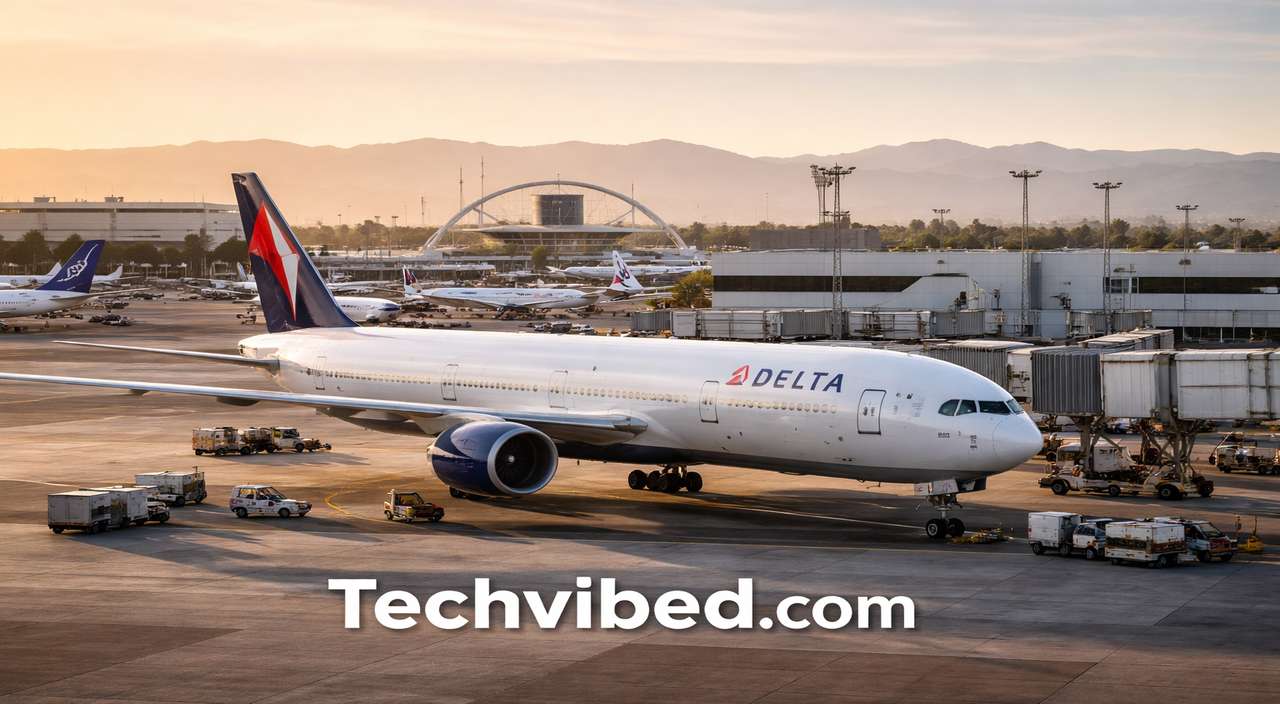
Air travel usually follows a planned route, but sometimes unexpected situations force a change. One such incident that caught attention was delta flight dl275 diverted lax. Passengers and aviation observers wanted to know what happened, why the plane changed its route, and how airlines manage these events.
When a flight diversion occurs, it can raise many questions. People wonder if it was caused by weather, a technical issue, or something else. Understanding the details behind delta flight dl275 diverted lax helps travelers learn how airlines handle safety and passenger care during unusual situations.
In this guide, we will explain the flight route, the reason a diversion might occur, how airports like LAX handle such situations, and what passengers should expect if their flight is diverted.
Overview of Delta Flight DL275
Delta Flight DL275 is an international flight operated by Delta Air Lines. The flight usually travels between major global cities and serves hundreds of passengers on long-distance routes. Flights like this often use large aircraft designed for comfort and long travel times.
International flights must follow strict safety rules. Pilots, flight controllers, and airline operations teams constantly monitor weather, aircraft systems, and airport conditions. If something changes during the trip, the crew may decide to adjust the route.
In the case of delta flight dl275 diverted lax, the flight did not continue directly to its planned destination. Instead, it landed at Los Angeles International Airport (LAX), which is one of the busiest and best-equipped airports in the world.
Why Flights Get Diverted
Safety Always Comes First
The most important rule in aviation is passenger safety. If pilots notice any issue that could affect the flight, they will choose the safest option available. Sometimes that means landing at a different airport.
In situations like delta flight dl275 diverted lax, the decision is usually made after careful discussion between the pilots and airline operations teams. The goal is to reduce risk and make sure the aircraft can land safely.
Airlines train crews to respond quickly to changing conditions. This preparation ensures that passengers remain protected even if plans change during the journey.
Weather Conditions
Weather is one of the most common reasons flights are diverted. Strong winds, heavy rain, thunderstorms, or low visibility can make landing at a planned airport difficult.
Pilots monitor weather updates during the entire flight. If the weather near the destination becomes unsafe, they may choose another airport with better conditions.
For example, if the original airport experiences sudden storms, a nearby airport such as LAX can serve as an alternative landing location.
Technical Checks or Mechanical Concerns
Another possible reason for delta flight dl275 diverted lax could involve a technical check. Aircraft systems are monitored closely during flight. If pilots receive an alert related to equipment or systems, they may land early for inspection.
This does not always mean something is seriously wrong. In many cases, it is a precaution. Airlines prefer to inspect the aircraft on the ground rather than take any risk in the air.
After landing, engineers examine the plane and confirm whether it can continue flying.
Will You Check This Article: Tarnplanen: Your Full Guide to Camouflage Tarps for Protection and Concealment
Why Los Angeles International Airport (LAX) Was Chosen
A Major Aviation Hub
Los Angeles International Airport is one of the largest airports in the United States. Because of its size and facilities, it often serves as a diversion airport for international flights.
Airports like LAX have long runways, advanced navigation systems, and experienced ground staff. These features make them ideal for handling unexpected landings.
When delta flight dl275 diverted lax, choosing a major airport ensured that the aircraft and passengers would receive proper support.
Maintenance and Technical Support
Large airports have airline maintenance teams ready to assist when aircraft arrive with technical concerns. These teams can inspect engines, systems, and other components quickly.
If the diversion involved a mechanical check, LAX would provide the necessary equipment and staff to handle the situation.
This quick response helps airlines reduce delays and decide whether the flight can continue or passengers need alternative arrangements.
Passenger Services
Another advantage of large airports is passenger support. Airports like LAX offer many services, including lounges, hotels, and transportation options.
When a flight diversion happens, airlines work with airport staff to help passengers. They may provide meals, accommodation, or new flight bookings depending on the situation.
Passengers on delta flight dl275 diverted lax likely received assistance from Delta representatives at the airport.
What Happens After a Flight Is Diverted
Communication With Passengers
When a flight changes its route, the crew usually informs passengers through announcements. The pilot explains the reason for the diversion and provides updates during the flight.
Clear communication helps passengers stay calm and understand what is happening.
After landing, airline staff usually provide more details about the next steps. They may explain whether the plane will continue the trip or if passengers will be placed on other flights.
Aircraft Inspection
If the diversion involved a technical concern, engineers inspect the aircraft after landing. This inspection can include checking sensors, engines, and onboard systems.
The goal is to confirm that the aircraft is safe before it flies again. Safety inspections are a normal part of airline operations and help maintain high safety standards.
If the aircraft passes inspection, the flight may continue after a delay.
Passenger Rebooking
Sometimes passengers need to be moved to other flights. Airlines work to minimize delays and help travelers reach their destination as soon as possible.
In some cases, passengers may stay overnight if no immediate flights are available. Airlines usually provide support such as hotel accommodation and meal vouchers when the delay is long.
For travelers involved in delta flight dl275 diverted lax, airline support teams would guide them through these options.
How Airlines Manage Flight Diversions
Flight Operations Centers
Airlines operate large control centers that monitor every flight. These centers track aircraft location, weather updates, and airport conditions.
When a situation develops during a flight, the operations team works with the pilots to decide the best course of action.
In the case of delta flight dl275 diverted lax, airline operations likely reviewed multiple airport options before choosing LAX.
Coordination With Air Traffic Control
Air traffic controllers help manage aircraft movement in busy airspace. If a plane needs to divert, controllers guide it to the new airport safely.
They coordinate with the destination airport to ensure that runways and gates are available.
This cooperation between pilots, controllers, and airline teams helps the diversion process run smoothly.
Ground Support and Logistics
Once the aircraft lands, ground crews take over many tasks. These teams guide the aircraft to a gate, help passengers exit, and begin inspections if needed.
Logistics teams also arrange fuel, catering, and cleaning if the aircraft continues its journey.
These efforts allow the airline to manage unexpected changes without causing unnecessary disruption.
Passenger Rights During Flight Diversions
Airline Responsibilities
When a diversion happens, airlines have responsibilities toward passengers. These responsibilities can include providing updates, offering assistance, and arranging new travel plans.
Policies vary by airline and country, but customer support remains an important part of airline service.
Passengers affected by delta flight dl275 diverted lax would typically receive instructions from airline staff regarding their travel options.
Compensation and Support
In some situations, passengers may receive compensation or vouchers. This usually depends on the cause of the diversion and the length of the delay.
If the diversion results from weather or safety concerns, compensation may be limited. However, airlines often still provide basic support such as meals or accommodation.
Passengers can contact airline customer service after the trip if they have questions about refunds or compensation.
Lessons From the Delta Flight DL275 Diversion
The incident involving delta flight dl275 diverted lax highlights how aviation safety systems work in real time. Pilots and airline teams constantly monitor conditions to ensure every flight remains safe.
A diversion may seem stressful for travelers, but it is often a precaution. Choosing an alternate airport allows crews to address issues quickly and safely.
For passengers, understanding why diversions happen can reduce anxiety. These decisions are made to protect everyone on board.
Air travel remains one of the safest forms of transportation because airlines prioritize safety over schedules.
Final Thoughts
The event involving delta flight dl275 diverted lax shows how airlines handle unexpected situations during long flights. From monitoring weather and aircraft systems to coordinating with major airports, many teams work together to manage diversions smoothly.
While flight changes can cause inconvenience, they also demonstrate the strong safety procedures built into modern aviation. Pilots, engineers, and airport staff all play important roles in protecting passengers.
For travelers, the key takeaway is that diversions are part of normal aviation safety practices. When a flight lands at an alternate airport, it is usually the safest and most responsible choice.
Understanding these processes helps passengers stay informed and confident during air travel.
Share this content:

Sosoactive: A Complete Guide to the Platform, Content, and Online Impact

5starstocks.com: A Complete Guide to Features, Benefits, and How It Works

Weber Grillvorführung: A Complete Guide to Live BBQ Demonstrations

Uncuymaza: Understanding the Popular Online Platform and Its Impact

The Complete Guide to XXXXXXXL Size CXX Clothing

Understanding Archivebate: A Complete Guide to the Webcam Archive Platform
-
 Tech News4 months ago
Uncuymaza: Understanding the Popular Online Platform and Its Impact
-
 Lifestyle4 months ago
The Complete Guide to XXXXXXXL Size CXX Clothing
-
 Lifestyle4 months ago
Understanding Archivebate: A Complete Guide to the Webcam Archive Platform
-

 Lifestyle4 months ago
Woodwork Coffee: The Art of Combining Craftsmanship and Your Daily Brew
-

 Business4 months ago
Kwasi Kwarteng Net Worth: A Complete Guide
-

 Business4 months ago
PO Box 6887 Coventry: Your Complete Guide to This UK Mailing Address
-

 Lifestyle4 months ago
Witelovers: A Complete Guide to Minimalist Living and Clean Aesthetics
-

 Health4 months ago
Joguart: What It Is, Benefits, How It’s Made, and How to Use It