
Tech News
Discovering https://www.microsoft.com/ink: A Full Guide to Windows Ink

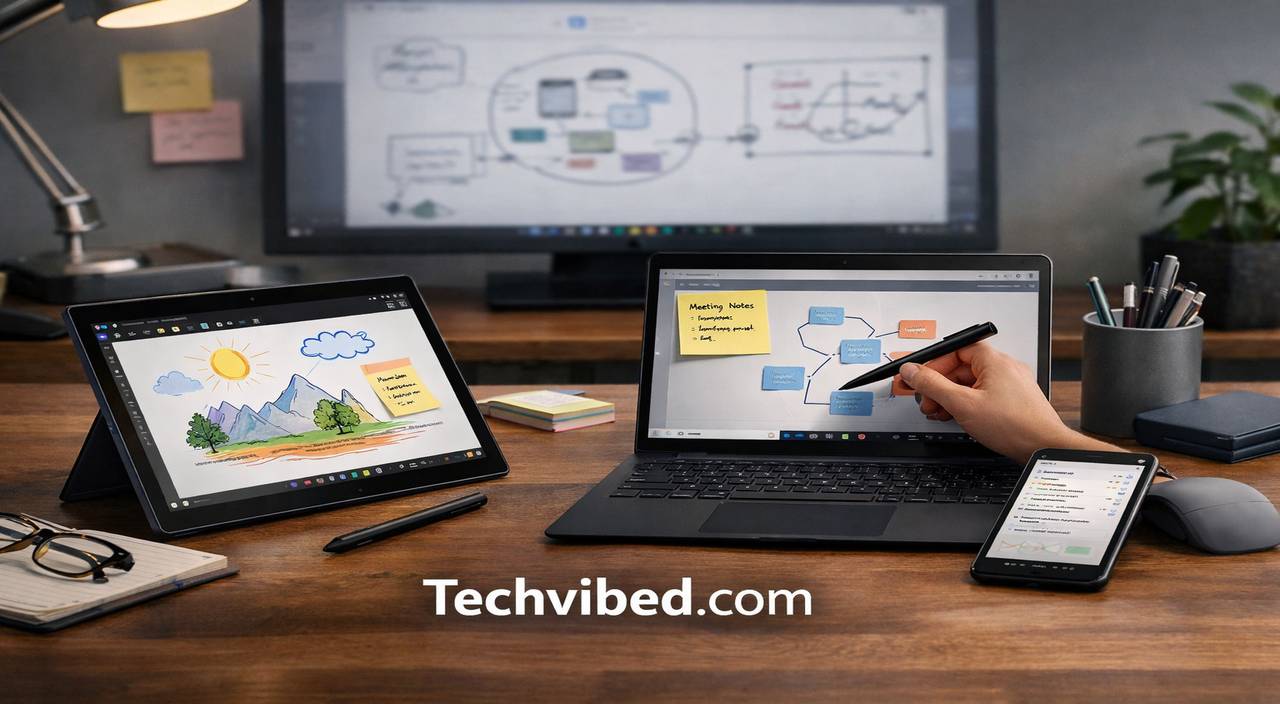
Windows Ink brings a fresh way to use pens on Windows devices. It turns your screen into a canvas for notes, drawings, and more. The official site at https://www.microsoft.com/ink shares details on this tool, though some links may point to support pages for the latest updates. This guide covers everything from basics to advanced tips. You will find step-by-step help to make the most of your pen. Whether you draw for fun or work, Windows Ink fits many needs. It works with apps like OneNote and Whiteboard to boost your output.
Many people use Windows Ink to write notes by hand and turn them into text. It feels like using paper but with digital perks. Pressure from the pen changes line thickness, just like a real tool. Tilt support adds shading effects for art. This setup helps students mark books or pros sign files. The pen pairs with tablets or laptops that support touch. Check your device specs to see if it fits. Microsoft keeps updating the feature to fix bugs and add options.
What is Windows Ink?
Windows Ink is a built-in part of Windows that lets you use a stylus or pen for input. It captures your strokes as digital ink, which you can save, edit, or share. The system handles notes, sketches, and marks on docs. It includes tools for erasing, highlighting, and selecting parts. Handwriting turns into typed text with good accuracy in many languages. This makes it useful for quick ideas without typing. Visit https://www.microsoft.com/ink for overviews, but support sites give current info.
The core of Windows Ink lies in its data handling. When you draw, it records points, pressure, and angle. This info renders smooth lines on screen. Apps can use this data for custom effects, like in painting programs. Security features protect your ink files from changes. It integrates with cloud services for sync across devices. Users report faster work flows since they switch less between tools. For business, it aids in meetings by letting you draw on slides.
History and Growth of Windows Ink
Windows Ink started in Windows 10 as part of the Anniversary Update in 2016. It aimed to make pens more central to the OS. Early versions had Sticky Notes, Sketchpad, and Screen Sketch. Over time, Microsoft added more apps and improved recognition. By Windows 11, it evolved to include a pen menu for quick access. Changes came from user feedback to fix lag or pairing issues. The site https://www.microsoft.com/ink once hosted promo materials, now redirected to support.
Growth tied to hardware like Surface devices. Microsoft pushed pens for education and design fields. Updates brought better battery life and tilt detection. Third-party pens now work better thanks to standards. Developers got APIs to add ink to their apps. This led to more software support, from games to medical tools. Stats show higher adoption in creative jobs. Future plans may include AI for smarter ink analysis, like auto-organizing notes.
Will You Check This Article: Best API Search Company’s Homepage: A Guide to Effective Design and Features
How to Get Started with Windows Ink
To begin, ensure your device supports pen input. Most touch-screen laptops or tablets from Microsoft or partners work. Buy a compatible pen if needed, like the Surface Pen. Charge it or insert batteries first. Then, pair it with your PC. Open Settings and go to Bluetooth & devices. Put the pen in pairing mode by holding its button. Select it from the list to connect. Test by drawing in a simple app.
Once paired, explore the pen menu. Right-click the taskbar and turn on the pen icon. Tap it to see shortcuts to apps. Add your favorites for fast launch. Adjust settings in Pen & Windows Ink section. Choose your writing hand to avoid palm rejection issues. Set button actions for single or double clicks. These steps take minutes but save time later. If problems arise, restart your device or update drivers from the maker’s site.
Compatible Devices for https://www.microsoft.com/ink Features
Windows Ink works best on devices with active digitizers. Surface Pro, Book, and Laptop lines lead the way. Other brands like HP Spectre or Lenovo Yoga support it too. Check for N-trig or Wacom tech in specs. Phones or older tablets may not fully work. Minimum OS is Windows 10, but 11 offers smoother use. RAM of 8GB or more helps with complex drawings. Visit https://www.microsoft.com/ink or device pages for lists.
For best results, pair with high-precision pens. Surface Pen detects 4096 pressure levels for fine control. Some devices add haptic feedback for a real feel. External screens like monitors may not support unless touch-enabled. Test compatibility by trying free apps. User reviews on forums help spot issues. Upgrading firmware often fixes glitches. This setup turns any workspace into a digital studio.
Pairing Your Pen Step by Step
Pairing starts in Settings under Bluetooth & devices. Turn on Bluetooth if off. Activate pairing on the pen: for Surface, hold top button until light flashes. On your PC, click Add device and pick Bluetooth. Wait for the pen name to show, then select it. A code may appear; confirm if needed. Done appears when linked. If it fails, move closer or restart both.
After pairing, customize in Pen & Windows Ink. Set shortcuts like opening apps on click. Choose left or right hand for better accuracy. Battery status shows here too. Replace AAAA batteries when low by unscrewing the end. For rechargeable pens, use USB. These steps ensure steady connection. Troubleshoot by removing and re-adding the device if lag happens.
Key Features of Windows Ink
Windows Ink offers a pen menu for quick app access. Defaults include OneNote for notes, Whiteboard for collaboration, Snipping Tool for captures, and Journal for daily logs. Pin up to four apps. Edit by going to settings in the menu. This saves clicks when switching tasks. The icon sits in the taskbar tray for easy reach. Customize based on your routine.
Another feature is handwriting recognition. Write words, and Windows turns them to text. It supports many languages and improves with use. In apps, select ink and convert. This helps in emails or docs without typing. Erasing works with pen side or finger gestures. Highlighting adds color to key parts. These tools make digital work feel natural.
The Pen Menu in Detail
The pen menu pops up from the taskbar icon. It shows pinned apps first. Scroll for more options. To change, click the gear icon. Remove apps by tapping the minus sign. Add from a list of installed programs. Only four slots, so pick wisely. If your pen has buttons, set one to open the menu. This works even without touch.
Use it for fast starts. For example, tap OneNote to jot ideas during calls. Whiteboard suits team brainstorms. Snipping Tool grabs screen parts with marks. Journal tracks thoughts with tags. Updates may add more apps. Check https://www.microsoft.com/ink for new features. This menu cuts setup time for pen users.
Windows Ink Workspace Evolution
Early Windows had Ink Workspace as a sidebar. It included Sticky Notes for reminders, Sketchpad for drawings, and Screen Sketch for annotations. In later versions, it merged into the pen menu. Access old tools via search. Sticky Notes now syncs with Outlook. Sketchpad became part of Whiteboard. These changes made it less cluttered.
Today, Workspace focuses on core apps. It still supports full-screen capture with edits. Use Win + W shortcut if enabled. Customize visibility in settings. For third-party apps, integration varies. Some updates broke links, but fixes came quick. This evolution keeps it relevant for modern needs.
Customizing Your Pen Settings
Go to Settings > Bluetooth & devices > Pen & Windows Ink. Here, pick your dominant hand to improve palm rejection. This stops accidental marks from resting your hand. Set visual effects like ink flow. Choose if pen acts as mouse in some modes. Adjust pressure sensitivity if supported.
Button customization is key. Assign actions to single, double, or long press. Options include opening menu, erasing, or launching apps. For Surface Pen, top button can take screenshots. Test changes in a blank doc. Reset to defaults if needed by scrolling to the bottom. These tweaks make the pen fit your style.
Applications That Use Windows Ink
OneNote shines with Windows Ink. Draw shapes that auto-correct to perfect lines. Convert handwriting to text for searches. Add audio to notes. Organize in notebooks with sections. Share with teams. It’s free and syncs across devices. Use tags for quick finds. This app turns pens into power tools for study or work.
Whiteboard allows real-time collaboration. Draw with others online. Export to PDF or images. Use templates for plans. Ink to math converts equations. It’s great for remote teams. Access via web or app. Security keeps boards private. Regular updates add stickers and backgrounds.
Using Windows Ink in OneNote
In OneNote, select Draw tab for pen tools. Choose color and thickness. Lasso to select ink groups. Replay strokes to see process. Math assistant solves handwritten problems. Rule lines help straight writing. Convert to text with one click. This saves time on edits.
For advanced use, link notes to Outlook tasks. Embed files with marks. Search handwritten text. Offline mode stores changes. Tips: Use eraser for precise fixes. Switch pens fast with toolbar. This makes OneNote a full notebook replacement.
Windows Ink in Microsoft Whiteboard
Whiteboard opens blank or with grids. Invite users via link. Draw freely; others see live. Undo stack per user. Export selections. Integrate with Teams for meetings. Use laser pointer for guides. This app fits brainstorming.
Tips: Zoom for details. Add text boxes next to drawings. Save boards to OneDrive. Offline edits sync later. Security options control access. It’s simple yet strong for group work.
For Developers: Adding Windows Ink to Apps
Developers use Windows Ink APIs in UWP apps. Add InkCanvas control for drawing. Set attributes like color and size. Handle events for strokes. Use InkToolbar for user controls. Recognize handwriting with InkAnalyzer. Convert to text or shapes.
Steps: In Visual Studio, create project. Add InkCanvas to XAML. Bind to toolbar. Process input in code. Test on pen device. Docs on learn.microsoft.com cover details. This lets apps like custom notepads use ink.
Building Basic Ink Support
Start with tutorial on learn.microsoft.com. Install SDK. Add namespace Windows.UI.Input.Inking. Create InkCanvas. Set InputDeviceTypes to pen. Render strokes. Save as ISF files. Load back for edits. Add undo/redo.
For toolbar, include buttons for pen, eraser, colors. Link to canvas properties. This base lets users draw. Expand with rulers or stencils. Sample code helps quick starts.
Advanced Features for Devs
Add recognition: Use InkAnalyzer on strokes. Get text candidates. Handle shapes like circles. Support wet/dry ink for real-time render. Use pressure data for varied lines. Integrate with AI for suggestions.
For enterprise, add security to ink data. Sync via cloud. Test on various hardware. Publish to Store with ink tags. This draws users seeking pen apps.
Troubleshooting Common Windows Ink Issues
If pen won’t pair, check battery and Bluetooth. Restart PC. Update Windows. Remove device and retry. For lag, close heavy apps. Update graphics drivers. Disable then enable in settings.
If Workspace won’t open, check taskbar settings. Run troubleshooter in Settings > Update & Security. For third-party conflicts, uninstall recent software. Reset pen settings to defaults. Forums like answers.microsoft.com have fixes.
Battery and Connection Problems
Low battery causes skips. Replace or charge. Indicator in settings shows level. For disconnects, stay in range. Avoid interference from other devices. Re-pair if needed. Firmware updates from maker site help.
Test in safe mode to spot software issues. Clean pen tip for better contact. These steps fix most problems.
Conclusion
Windows Ink changes how you interact with your device. From pairing to customizing, it offers tools for many tasks. Apps like OneNote and Whiteboard make it shine. Developers can build on it too. Visit https://www.microsoft.com/ink or support pages for more. With practice, it boosts your speed and ideas. Try it on your setup today.
Share this content:
Tech News
Latest Breakthroughs in Quantum Computing 2024: What’s Actually Changing and Why It Matters

Introduction: Why 2024 Feels Different for Quantum Computing
Quantum computing has been “almost here” for years. You’ve probably seen headlines promising faster machines, world-changing discoveries, or computers that can break today’s encryption overnight. But 2024 stands out for a different reason. Instead of big promises, we’re now seeing real progress that moves quantum computing closer to practical use.
In this article, you’ll get a clear, honest look at the latest breakthroughs in quantum computing 2024. I’ll explain what changed, why it matters, and how these updates compare to what other major blogs have covered. No heavy jargon, no confusing math—just useful insights you can actually understand and use.
Understanding Quantum Computing in Simple Terms
Before we jump into breakthroughs, let’s make sure the basics are clear. Traditional computers use bits (0s and 1s). Quantum computers use qubits, which can act like 0, 1, or both at the same time.
That sounds strange, but here’s the simple idea: quantum computers can handle many possibilities at once. This gives them an advantage for certain problems, like:
- Drug discovery
- Complex simulations
- Optimization tasks
- Cryptography
The challenge? Qubits are fragile, noisy, and hard to control. Most breakthroughs in 2024 focus on solving these problems.
Breakthrough #1: Error Correction Is Finally Getting Practical
One of the biggest problems in quantum computing has always been errors. Qubits lose their state quickly, which makes calculations unreliable.
In 2024, researchers made real progress in quantum error correction. Instead of just theoretical ideas, companies and labs demonstrated systems that can:
- Detect errors in real time
- Fix them without stopping the computation
- Maintain stable qubits for longer periods
This is huge. Think of it like going from a glitchy phone that crashes every minute to one that can actually run apps smoothly.
What’s new compared to competitors:
Many blogs mention error correction, but they treat it as a future goal. In 2024, we saw working demonstrations, not just theories. That’s a major shift.
Will You Check This Article: SEO by HighSoftware99.com: A Complete Guide to Better Rankings and Online Growth
Breakthrough #2: Logical Qubits Are Becoming Real
A “logical qubit” is a stable version of a qubit made from multiple physical qubits. It’s like combining weak pieces to create something strong.
In 2024, several teams showed they could create logical qubits that:
- Last longer than individual qubits
- Reduce error rates significantly
- Can be scaled for larger systems
This moves quantum computing closer to real-world applications. Without logical qubits, large-scale quantum computers simply aren’t possible.
Why this matters:
We’re no longer stuck at the “toy experiment” stage. We’re building the foundation for machines that can actually solve useful problems.
Breakthrough #3: Quantum Hardware Is Scaling Faster
In previous years, adding more qubits often made systems worse due to noise and instability. In 2024, that trend started to change.
Companies improved hardware designs so they can:
- Add more qubits without increasing errors too much
- Improve connectivity between qubits
- Run more complex circuits
Some systems crossed important milestones in qubit count and stability at the same time.
What competitors miss:
Many articles focus only on qubit numbers. The real story in 2024 is quality plus quantity. That balance is what makes scaling meaningful.
Breakthrough #4: New Qubit Technologies Are Competing
Not all qubits are the same. In 2024, multiple technologies made progress, including:
- Superconducting qubits
- Trapped ions
- Photonic qubits
- Neutral atoms
Each approach has its strengths. What’s interesting is that no single method is clearly winning yet.
Why this is exciting:
Competition drives innovation. Instead of one path, we now have several strong options being tested in real conditions.
New insight beyond competitors:
Most blogs list technologies but don’t explain the impact. The real takeaway is this: diversity reduces risk. If one method fails, others can still succeed.
Breakthrough #5: Quantum + AI Is Becoming a Real Combo
2024 saw growing interest in combining quantum computing with artificial intelligence.
Researchers are using quantum systems to:
- Speed up machine learning tasks
- Improve pattern recognition
- Optimize training models
At the same time, AI is helping design better quantum experiments and hardware.
Why this matters:
This two-way relationship is powerful. AI improves quantum systems, and quantum systems may improve AI.
What’s new here:
Earlier discussions were mostly theoretical. In 2024, we saw early experiments showing real benefits in niche tasks.
Breakthrough #6: Quantum Advantage Is Getting Closer to Reality
“Quantum advantage” means a quantum computer can solve a problem faster than any classical computer.
In 2024, researchers reported progress toward practical quantum advantage in areas like:
- Chemistry simulations
- Optimization problems
- Material science
These aren’t just lab tricks anymore. Some results are starting to look useful outside research environments.
Important detail competitors often skip:
Quantum advantage is not a single moment. It’s a gradual process. In 2024, we moved from “possible” to “plausible in specific cases.”
Breakthrough #7: Better Quantum Software and Tools
Hardware gets most of the attention, but software is just as important.
In 2024, new tools made it easier to:
- Write quantum programs
- Simulate quantum systems
- Test algorithms before running them on real machines
Developers now have better access to cloud-based quantum platforms, making experimentation easier.
Why this matters:
You don’t need a physics lab to work with quantum computing anymore. That opens the door for more innovation.
Breakthrough #8: Stronger Industry and Government Support
Investment in quantum computing grew significantly in 2024.
Governments and companies are funding:
- Research labs
- Startups
- Education programs
This support helps move quantum computing from research to real-world use.
What competitors overlook:
Funding isn’t just about money. It creates ecosystems—talent, tools, and partnerships—that accelerate progress.
Breakthrough #9: Real-World Use Cases Are Emerging
For years, people asked: “What can quantum computers actually do?”
In 2024, we started seeing clearer answers, especially in:
- Drug discovery (simulating molecules faster)
- Logistics (route optimization)
- Finance (risk analysis)
These are still early use cases, but they show where value might come from first.
Key insight:
Quantum computing won’t replace classical computers. It will work alongside them, solving specific problems better.
Breakthrough #10: Improved Stability and Coherence Times
Coherence time is how long a qubit can hold its state. Longer coherence means better calculations.
In 2024, researchers improved coherence times across multiple technologies.
This leads to:
- More reliable results
- Longer computations
- Reduced need for constant correction
Why this is important:
It’s like giving quantum computers a longer attention span. That’s essential for solving real problems.
Comparison with Competitor Content
Let’s briefly compare this article with the three competitor blogs you mentioned.
Compared to McKinsey
McKinsey focuses on business impact and future predictions. While useful, it lacks technical depth and real experimental details. This article adds:
- Clear explanations of technical breakthroughs
- Real progress in error correction and logical qubits
- Practical understanding of what changed in 2024
Compared to Denebrix AI
Denebrix provides a general overview but stays surface-level. This article goes further by:
- Explaining why each breakthrough matters
- Connecting developments to real-world applications
- Highlighting differences between past expectations and current reality
Compared to The Quantum Insider
That site lists research stories but can feel fragmented. This article improves by:
- Creating a structured narrative
- Connecting breakthroughs into a bigger picture
- Adding context for non-expert readers
What Makes 2024 Truly Different
So, what’s the big takeaway?
2024 is not about hype. It’s about progress that actually works.
We’re seeing:
- Systems that can correct their own errors
- Qubits that last longer
- Hardware that scales better
- Early signs of useful applications
It’s still early days, but the direction is clearer than ever.
Challenges That Still Remain
Even with all these breakthroughs, quantum computing isn’t ready for everyday use yet.
Some challenges include:
- High cost of hardware
- Complex cooling requirements
- Limited large-scale systems
- Need for more skilled experts
These issues won’t disappear overnight, but progress in 2024 shows they are being addressed step by step.
What to Expect Next (2025 and Beyond)
Looking ahead, we can expect:
- More stable logical qubits
- Early commercial applications in niche industries
- Better integration with classical systems
- Faster growth in quantum talent and education
Don’t expect a sudden revolution. Expect steady, meaningful improvement.
Conclusion: A Quiet but Powerful Shift
The latest breakthroughs in quantum computing 2024 may not sound flashy, but they are important. This year marks a shift from theory to real progress.
Instead of asking, “Can quantum computing work?” we’re now asking, “Where can it be useful first?”
That’s a much better question—and a sign that the field is finally growing up.
If you’ve been watching quantum computing for a while, 2024 might be the year where things start to feel real. And if you’re new to it, you’re arriving at the perfect time.
Share this content:

Introduction to SEO by HighSoftware99.com
Search engine optimization has become a key part of online success. Businesses of all sizes want their websites to appear on the first page of search results, and that is where seo by highsoftware99.com comes in. This service focuses on practical methods that help websites gain visibility, attract traffic, and improve conversions without making things overly complex or confusing.
SEO is not just about adding keywords to a page. It involves technical setup, content quality, backlinks, and user experience. HighSoftware99.com approaches SEO in a structured way, making sure every part of a website supports better ranking. This guide explains how their SEO approach works and why it can help businesses grow online.
What Makes SEO by HighSoftware99.com Different
Focus on Real Results
Many SEO services promise quick rankings but fail to deliver long-term results. Seo by highsoftware99.com focuses on steady growth instead of short-term tricks. The aim is to build a strong foundation so that rankings stay stable even when search engine updates happen.
This approach includes improving site structure, fixing technical issues, and creating content that answers real user questions. Instead of guessing what might work, the process is based on tested methods. This helps businesses avoid penalties and maintain consistent progress over time.
Simple and Clear Strategy
A major advantage of seo by highsoftware99.com is its clear and easy-to-follow strategy. Clients are not left confused about what is being done. Each step is explained in simple terms, so even beginners can understand how SEO works.
The process usually starts with a website audit, followed by keyword research and on-page improvements. After that, link building and content development are carried out. This step-by-step system ensures nothing important is missed and every effort contributes to better results.
Will You Check This Article: txmyzone: A Complete Guide to Understanding the Platform
Keyword Research in SEO by HighSoftware99.com
Finding the Right Keywords
Keyword research is the base of any SEO campaign. Seo by highsoftware99.com identifies keywords that people are actually searching for, rather than choosing random terms. This increases the chances of attracting visitors who are interested in your services or products.
The focus is on both high-volume keywords and long-tail keywords. Long-tail keywords may have lower search volume, but they often bring more targeted traffic. By using a mix of both, the strategy ensures a balance between reach and relevance.
Understanding Search Intent
Not all keywords serve the same purpose. Some users are looking for information, while others are ready to make a purchase. Seo by highsoftware99.com studies search intent carefully to match content with user needs.
For example, if someone searches for “best SEO services,” they are likely comparing options. On the other hand, a search like “hire SEO expert now” shows stronger buying intent. By aligning content with intent, the chances of conversion increase significantly.
On-Page Optimization Techniques
Improving Content Quality
Content plays a major role in SEO success. Seo by highsoftware99.com ensures that each page provides useful and clear information. Instead of writing short or vague content, the focus is on detailed explanations that answer user questions fully.
Proper use of headings, internal links, and keyword placement helps search engines understand the content better. At the same time, the writing remains natural and easy to read. This balance improves both rankings and user engagement.
Optimizing Meta Tags and Structure
Meta titles and descriptions are often overlooked, but they are important for attracting clicks. Seo by highsoftware99.com creates clear and engaging meta tags that include the main keyword without sounding forced.
The website structure is also improved to make navigation easier. Pages are organized logically so users can find information quickly. This not only helps visitors but also allows search engines to crawl the site more efficiently.
Technical SEO Improvements
Fixing Website Errors
Technical issues can stop a website from ranking well, even if the content is good. Seo by highsoftware99.com identifies and fixes problems such as broken links, slow loading speed, and mobile usability issues.
A fast and error-free website creates a better experience for users. Search engines also prefer sites that load quickly and work smoothly on all devices. These improvements often lead to noticeable ranking gains.
Mobile and Speed Optimization
Most users now browse websites on mobile devices. Seo by highsoftware99.com ensures that websites are fully responsive and easy to use on smaller screens. This includes adjusting layouts, improving font sizes, and optimizing images.
Page speed is another important factor. Slow websites can lead to higher bounce rates. By compressing images and improving code efficiency, the service helps reduce loading times and keep visitors engaged.
Link Building Strategies
Building Quality Backlinks
Backlinks remain one of the strongest ranking factors. Seo by highsoftware99.com focuses on getting links from trusted and relevant websites. These links act as signals that your site is reliable and worth ranking higher.
Instead of using low-quality or spammy links, the strategy emphasizes quality over quantity. This reduces the risk of penalties and helps build a strong online reputation over time.
Guest Posting and Outreach
One effective method used in seo by highsoftware99.com is guest posting. This involves writing articles for other websites and including a link back to your site. It helps increase visibility and drive traffic from different sources.
Outreach is also used to connect with website owners and bloggers. By building relationships, it becomes easier to earn backlinks naturally. This approach is more sustainable and leads to long-term benefits.
Content Marketing Approach
Creating Useful and Engaging Content
Content marketing is a key part of seo by highsoftware99.com. The goal is to create content that people find helpful and worth sharing. This includes blog posts, guides, and informative articles that answer common questions.
Well-written content keeps users on the site longer, which signals to search engines that the page is valuable. It also increases the chances of gaining backlinks and social shares.
Regular Updates and Consistency
SEO is not a one-time task. Seo by highsoftware99.com focuses on regular updates to keep content fresh and relevant. Search engines prefer websites that are active and consistently updated.
Updating old content can also improve rankings. By adding new information and improving existing pages, the site stays competitive and continues to attract traffic over time.
Local SEO and Targeted Growth
Optimizing for Local Searches
For businesses targeting specific areas, local SEO is important. Seo by highsoftware99.com helps optimize websites for local searches by improving location-based keywords and business listings.
This makes it easier for customers in a specific area to find your services. It is especially useful for small businesses that rely on nearby customers.
Google Business Profile Optimization
A well-optimized business profile can increase visibility in local search results. Seo by highsoftware99.com ensures that all details are accurate and complete, including contact information, services, and customer reviews.
Positive reviews also play a role in local rankings. Encouraging satisfied customers to leave reviews can improve credibility and attract more clients.
Tracking and Performance Analysis
Monitoring SEO Progress
Tracking results is an important part of any SEO campaign. Seo by highsoftware99.com uses tools to monitor keyword rankings, traffic, and user behavior. This helps measure the effectiveness of the strategy.
Regular reports provide clear insights into what is working and what needs improvement. This allows for better decision-making and ensures that efforts are always moving in the right direction.
Continuous Improvement
SEO requires ongoing adjustments. Search engine algorithms change, and competition increases over time. Seo by highsoftware99.com focuses on continuous improvement to stay ahead.
By analyzing data and making updates, the strategy remains effective. This flexible approach helps maintain rankings and supports long-term growth.
Benefits of Choosing SEO by HighSoftware99.com
Better Visibility and Traffic
One of the main benefits of seo by highsoftware99.com is improved visibility in search results. Higher rankings lead to more clicks and increased website traffic.
More traffic means more opportunities for conversions. Whether the goal is sales, leads, or brand awareness, better visibility plays a key role in achieving it.
Long-Term Growth
Unlike paid advertising, SEO provides long-term results. Seo by highsoftware99.com focuses on building a strong foundation that continues to deliver results over time.
This makes it a cost-effective option for businesses looking for steady growth. With the right strategy, the benefits of SEO can last for years.
Conclusion
Seo by highsoftware99.com offers a structured and practical approach to improving search engine rankings. From keyword research to technical fixes and content creation, every step is designed to support real growth.
The focus on quality, consistency, and clear strategies makes it suitable for both beginners and experienced business owners. By following these methods, websites can achieve better visibility, attract targeted traffic, and build a strong online presence that lasts.
Share this content:
Introduction to txmyzone
The internet has many platforms that offer digital tools, services, and online resources. One name that has started appearing in search results is txmyzone. Many people search for this term to understand what it is, how it works, and whether it provides useful services. Since information about new or lesser-known platforms can be confusing, users often want a clear explanation before visiting or using them.
This guide explains txmyzone in simple terms. It discusses what the platform is, how it works, possible features, benefits, safety considerations, and how users can decide if it suits their needs. By the end of this guide, readers will have a clear understanding of what txmyzone refers to and how it may be used online.
What is txmyzone?
txmyzone is generally described as an online platform or website that provides digital resources, tools, or services depending on its purpose or category. Some websites with similar names work as content hubs where users can find guides, downloads, media content, or other online utilities. Because the exact structure of txmyzone can change over time, users often search for reliable information before interacting with the site.
Many modern platforms follow a similar model. They gather different types of online material in one place so users can access information quickly. In this context, txmyzone may act as a central location where visitors can browse content, view updates, or access digital resources without needing multiple websites.
Why People Search for txmyzone
People usually search for txmyzone for several reasons. One common reason is curiosity after seeing the name online, in search results, or on social media. When a new website or platform appears frequently in search results, users naturally want to understand what it offers.
Another reason is that some users look for tools, downloads, or guides related to digital content. Platforms like txmyzone often attract attention because they promise easy access to certain types of information or services. Search interest increases when users want quick solutions without visiting many different websites.
Will You Check This Article: hdhub4you: A Detailed Guide to the Popular Movie Download Platform
Main Features Associated with txmyzone
Content Access and Resources
Many platforms similar to txmyzone focus on providing access to various types of online resources. These can include guides, informational articles, downloadable content, or links to useful digital services. The idea is to bring helpful material together in one place so visitors can find what they need quickly.
Content hubs often organize information by categories. This helps users navigate the website easily and locate specific topics. If txmyzone follows this model, visitors can expect sections that focus on different subjects such as technology tips, media resources, or online tools.
Simple Navigation and User Interface
A key factor that attracts visitors to websites like txmyzone is a simple layout. When a platform is easy to navigate, users can move between pages without confusion. Clear menus, category sections, and search options make the experience smoother.
Good navigation is important for both new visitors and returning users. If the website layout is well organized, readers can quickly reach the content they are looking for. This type of structure also helps search engines understand the website better.
Regular Updates and New Content
Websites that gain attention usually post new material regularly. If txmyzone follows this pattern, it may update its pages with fresh articles, guides, or resources. Regular updates help keep users interested and encourage them to return to the platform.
Frequent updates also improve visibility in search results. Search engines often prefer websites that add new information because it signals that the site is active and maintained.
How txmyzone Works
The way txmyzone works depends on its main purpose, but most content platforms follow a similar structure. Visitors typically access the homepage first, where they can see the latest posts or featured sections. From there, users can click on categories or search for specific topics.
Each page usually focuses on one subject and provides detailed information, links, or resources. This method helps users find answers without unnecessary steps. Some platforms also allow comments or feedback so visitors can interact with the content.
Many websites also use responsive design. This means the platform works well on both desktop computers and mobile devices. If txmyzone follows this approach, users can access it easily from phones, tablets, or laptops.
Benefits of Using txmyzone
Easy Access to Information
One of the biggest advantages of platforms like txmyzone is convenience. Instead of searching multiple websites, users can find information in one place. This saves time and reduces the effort required to gather useful details.
When a platform organizes its content well, users can move from one topic to another without confusion. This makes the overall experience more efficient and enjoyable.
Helpful Guides and Tutorials
Many content platforms publish guides that explain different topics step by step. If txmyzone includes tutorial content, users may benefit from instructions related to technology, digital tools, or online services.
Guides are useful because they break complex tasks into simple steps. Beginners especially appreciate clear instructions that help them complete tasks without advanced technical knowledge.
Free Online Resources
Another reason people visit platforms like txmyzone is access to free resources. Some websites provide downloadable files, useful links, or free tools that help users perform certain tasks online.
Free resources attract large audiences because they remove the need for paid subscriptions. However, users should always check the reliability and safety of any downloads before using them.
Is txmyzone Safe to Use?
Safety is an important topic whenever users visit unfamiliar websites. Before interacting with txmyzone, it is wise to check several factors that indicate whether a platform is trustworthy.
First, users should verify that the website uses a secure connection. Secure websites usually start with https in the address bar. This indicates that the connection between the user and the website is encrypted.
Second, reading user reviews can help identify potential issues. If other users report problems such as misleading downloads or excessive advertisements, it may be better to proceed carefully.
Finally, users should avoid sharing personal information unless the website clearly explains how the data will be used. Responsible platforms provide privacy policies that describe how user data is handled.
Common Questions About txmyzone
Is txmyzone a legitimate website?
The legitimacy of txmyzone depends on the specific website using that name. Some platforms are legitimate content hubs, while others may simply host links or aggregated information. Users should always evaluate the website carefully before downloading files or sharing personal data.
Does txmyzone require registration?
Some websites require users to create accounts before accessing certain features. Others allow visitors to browse freely without registration. If txmyzone offers optional accounts, it may provide additional features such as saved content or personalized recommendations.
Can txmyzone be used on mobile devices?
Most modern websites are designed to work on smartphones and tablets. If txmyzone uses responsive design, the layout should adjust automatically to smaller screens, making it easy to read and navigate on mobile devices.
Tips for Using txmyzone Safely
When visiting websites like txmyzone, following a few basic safety practices can help protect your device and personal information.
First, use updated antivirus software on your device. Security programs can detect harmful downloads or suspicious links before they cause problems. This extra layer of protection is useful when browsing unfamiliar platforms.
Second, avoid clicking random advertisements or pop-ups. Some websites rely heavily on advertising, and not every advertisement leads to a trustworthy destination.
Finally, always verify information from multiple sources when possible. Cross-checking helps confirm whether the details you read are accurate and reliable.
The Future of Platforms Like txmyzone
Online platforms continue to grow as more people rely on the internet for information, tools, and digital services. Websites like txmyzone represent a broader trend where content hubs gather useful material in one place.
As competition between websites increases, platforms must focus on quality and user experience. Clear content, simple navigation, and reliable information are key factors that help a website build trust with visitors.
Search engines also reward websites that provide helpful and well-structured information. This means platforms that focus on quality content have a better chance of gaining long-term visibility in search results.
Conclusion
txmyzone is a term that many internet users search for when trying to understand a specific online platform or website. While the exact structure of the platform may vary, it generally refers to a site that provides digital resources, guides, or other online content in one place.
For users, the most important step is to approach new websites with awareness. Checking security features, reading user feedback, and avoiding suspicious downloads can help ensure a safe browsing experience.
When used carefully, platforms like txmyzone can serve as helpful sources of information and online resources. Understanding how they work allows users to make informed decisions and get the most value from what these websites offer.
Share this content:

5starstocks.com: A Complete Guide to Features, Benefits, and How It Works

Weber Grillvorführung: A Complete Guide to Live BBQ Demonstrations

Decreto Supremo 160: Complete Guide Explained in Simple Terms

Uncuymaza: Understanding the Popular Online Platform and Its Impact

The Complete Guide to XXXXXXXL Size CXX Clothing

Understanding Archivebate: A Complete Guide to the Webcam Archive Platform
-
 Tech News2 months ago
Uncuymaza: Understanding the Popular Online Platform and Its Impact
-
 Lifestyle2 months ago
The Complete Guide to XXXXXXXL Size CXX Clothing
-
 Lifestyle2 months ago
Understanding Archivebate: A Complete Guide to the Webcam Archive Platform
-

 Business2 months ago
PO Box 6887 Coventry: Your Complete Guide to This UK Mailing Address
-

 Lifestyle2 months ago
Witelovers: A Complete Guide to Minimalist Living and Clean Aesthetics
-

 Lifestyle2 months ago
Woodwork Coffee: The Art of Combining Craftsmanship and Your Daily Brew
-

 Business2 months ago
Kwasi Kwarteng Net Worth: A Complete Guide
-

 Lifestyle2 months ago
Who Is katepritchard96? A Full Guide to Her Online World and Creative Path