
Travel
Understanding Tumbons: A Complete Guide to Thailand’s Local Subdistricts


Tumbons form the core of daily life in Thailand for many people. They act as key building blocks in the country’s system of government. If you plan to live in Thailand, travel there, or just learn about its setup, knowing about tumbons helps a lot. This guide covers everything from their basic meaning to their place in modern society. You will find clear facts and tips to make sense of how Tumbons work.
What Are Tumbons?
Tumbons serve as subdistricts in Thailand’s government structure. Each one falls under a larger district, called an amphoe, and groups several villages together. Thailand has more than 7,000 Tumbons across its provinces. They handle local matters like roads and schools. People in rural areas deal with Tumbons for everyday needs, such as getting permits or joining community events. This setup keeps things organized at a small scale.
The word “Tumbon” comes from Thai language, often spelled as “Tambon” too. It means a local area unit. In cities, some Tumbons turn into more urban forms, but most stay in countryside spots. They link national rules to village life. For example, a Tumbon might cover 5 to 15 villages, depending on the region. This makes them vital for managing resources and services close to home.
Tumbons differ by location. In the north, like Chiang Mai, they might focus on hill tribes and farming. In the south, near beaches, tourism plays a big role. Central ones near Bangkok handle more business. No matter where, Tumbons give power to locals through elected leaders. This helps solve problems fast, without waiting for big government decisions.
The History Behind Tumbons
Tumbons have roots going back hundreds of years in Thai history. In old times, before modern government, they worked as loose groups of villages under kings. Leaders collected taxes and kept peace. This system helped control vast lands. By the 1800s, King Rama V saw the need for better order. He started reforms to make Tumbons official parts of the state.
In 1897, the Thesaphiban system set up Tumbons as standard units. Prince Damrong led this change. It aimed to bring all areas under one clear chain of command. Provinces got districts, and districts got Tumbons. This stopped local chiefs from having too much say. Over time, it built a strong network across Thailand. By the 1900s, Tumbons became key for development projects, like building irrigation systems.
After World War II, Thailand focused on democracy. In 1994, laws created Tambon Administrative Organizations, or TAOs. This gave Tumbons their own budgets and elections. It shifted power from central offices to local hands. Today, this history shapes how Tumbons run, blending old traditions with new ways. Understanding this past shows why Tumbons adapt well to changes.
Will You Check This Article: Discovering Beit Bart: A Full Guide to This Special Place
How Tumbons Are Structured
A Tumbon follows a simple setup. At the top sits the Kamnan, the head elected by villagers. Below, village heads manage smaller groups. The TAO acts as the main office, with a council of members chosen every four years. They meet to plan and spend money. Staff handle daily work, like keeping records or fixing public spots.
Funding comes from taxes, government grants, and fees. Each year, Tumbons get money based on size and needs. They use it for basics like water supply or trash collection. In bigger Tumbons, they might upgrade to municipalities with more powers. This structure ensures decisions stay close to people. For instance, if a road needs repair, the council votes on it quickly.
Tumbons connect to higher levels too. Districts oversee them, and provinces set big policies. National laws guide what Tumbons can do. This chain keeps balance. Locals vote in leaders who know their issues, like flooding in rainy seasons. The setup promotes fair play and stops corruption through checks.
Key Roles and Functions of Tumbons
Tumbons take on many jobs to support communities. One main role involves infrastructure. They build and maintain roads, bridges, and drainage. This keeps travel safe and helps farmers move goods. In dry areas, Tumbons set up water systems for homes and fields. These efforts boost living standards and cut poverty.
Public health falls under Tumbons too. They run small clinics and promote clean habits. During outbreaks, they spread info and provide aid. Education support includes fixing schools and buying supplies. Tumbons also handle waste management to keep areas clean. This prevents diseases and protects nature. For example, some start recycling programs to earn extra funds.
Economy building is another function. Tumbons back local businesses through markets or training. The One Tambon One Product program pushes unique goods, like handmade crafts. They register events like births and help with land papers. In crises, Tumbons lead relief. This wide range makes them essential for steady growth.
Infrastructure Management in Tumbons
Roads and paths form the backbone of Tumbon work. They fix potholes and add lights for safety. In mountain spots, they build steps or rails. Bridges over rivers connect villages, easing trade. Tumbons plan these based on community input. Budgets often go first to urgent fixes, like after storms.
Water access matters a lot. Tumbons dig wells or lay pipes for clean supply. In coastal ones, they manage saltwater issues. Electricity links come next, with help from national grids. These basics draw investors and improve life. A well-run Tumbon sees fewer people leaving for cities.
Health and Education Support
Health centers in Tumbons offer basic care, like check-ups or vaccines. They work with doctors from districts. Programs teach about nutrition or family planning. In pandemics, Tumbons track cases and enforce rules. This local touch saves lives.
Schools get help from Tumbons for repairs or books. They fund after-class activities too. In poor areas, they provide meals to keep kids learning. Teachers join councils to voice needs. This boosts school success and prepares youth for jobs.
Cultural Importance of Tumbons
Tumbons hold Thailand’s traditions alive. Each one has unique festivals tied to seasons or religion. Buddhist temples in Tumbons serve as gathering spots for rites. Locals share stories and skills passed down. This builds strong bonds and pride in heritage.
Food and crafts vary by Tumbon. Northern ones make spicy dishes with herbs. Southern Tumbons focus on seafood recipes. Handicrafts like weaving or pottery provide income and keep arts going. Visitors learn these through homestays, feeling real Thai life.
Dialects and music differ too. Isaan Tumbons use Lao-influenced speech and mor lam songs. Central ones stick to standard Thai. These differences enrich the nation. Tumbons protect them against modern changes, like through museums or classes.
Festivals and Traditions
Yearly events mark Tumbon calendars. Songkran splashes water for new starts. Loy Krathong floats lights on rivers. Local fairs sell goods and host games. These draw crowds and boost trade. Families join to honor ancestors or pray for harvests.
Rituals tie to farming cycles. Planting ceremonies ask for good rains. Harvest thanks give food to monks. In hill Tumbons, ethnic groups add their customs, like Akha swings. These keep culture fresh and teach kids values.
Preserving Local Crafts and Food
Crafts like silk making thrive in specific Tumbons. They train youth to continue. Markets sell items to tourists. Food traditions use fresh produce. Recipes get shared in cooking groups. This supports jobs and draws eco-tourists seeking authentic tastes.
Challenges Facing Tumbons Today
Tumbons deal with several issues. Urban pull takes young people away, leaving elders. This slows growth and strains services. Limited funds make big projects hard. Some Tumbons rely on grants that come late.
Climate shifts bring floods or droughts. Coastal ones face rising seas. Tumbons need plans but lack tools. Corruption sometimes hits, though laws fight it. Balancing tourism with nature protection poses risks too.
Population changes add pressure. New migrants need homes and jobs. Tumbons must update rules. Tech gaps in remote spots hinder online services. Addressing these requires smart strategies and help from above.
Dealing with Urban Migration
Young folks leave for city work, emptying Tumbons. This ages communities and closes schools. To counter, Tumbons start job programs in tourism or online sales. They improve internet to allow remote work. Families get incentives to stay, like better homes.
Climate and Environmental Issues
Storms damage crops and roads. Tumbons build dams or plant trees for protection. They teach sustainable farming to save soil. Partnerships with groups bring tech like weather apps. This builds strength against changes.
The Future of Tumbons
Tumbons look to grow with tech and green ways. Digital tools help with records and payments. Online meetings include more voices. This speeds up work and cuts costs.
Sustainable plans focus on eco-tourism and clean energy. Solar panels power offices. OTOP expands to global markets via web. Education in skills like coding prepares youth.
Government pushes more power to Tumbons for faster decisions. Training leaders improves management. With these steps, Tumbons stay relevant and strong.
Adopting Technology
Apps track budgets and report issues. Drones map lands for planning. Online classes teach farming tips. This connects Tumbons to world knowledge.
Promoting Sustainable Development
Green projects like organic farms cut chemicals. Waste turns to compost. Tourism highlights nature without harm. These create jobs and protect lands.
Navigating Tumbons as a Visitor or Resident
For travelers, Tumbons offer real experiences. Stay in homestays to join daily life. Ask locals about events. Use addresses with Tumbon names for mail or directions.
Residents register at Tumbon offices for IDs or votes. Join councils to have a say. Businesses need permits from there. Maps show Tumbon borders for land buys.
Apps like Google Maps list Tumbons. Government sites give details. This helps settle in or explore deeply.
Tips for Visitors
Pick Tumbons known for sights, like craft villages. Rent bikes to see around. Respect customs at temples. Buy local goods to support.
Advice for New Residents
Visit TAO for papers. Meet neighbors at markets. Learn basic Thai for chats. Volunteer in events to fit in.
Final Thoughts on Tumbons
Tumbons stand as pillars of Thai society. They blend government, culture, and community in practical ways. From history to future plans, they show Thailand’s strength in local hands. Whether you visit or live there, Tumbons provide insights into the country’s heart. This guide equips you with knowledge to appreciate them fully.
Share this content:
Travel
United Airlines Flight UA770 Emergency Diversion: Full Incident Breakdown and What It Means for Passengers

Air travel is generally safe, but unexpected situations can still happen mid-flight. One such case that drew attention is the united airlines flight ua770 emergency diversion. Incidents like this raise questions about safety, airline procedures, and what passengers should expect in similar situations. This article explains the event in detail, covering causes, airline response, passenger experience, and key lessons.
Understanding the United Airlines Flight UA770 Emergency Diversion
The united airlines flight ua770 emergency diversion refers to a situation where a scheduled flight had to change its route and land at a different airport due to an urgent issue. Emergency diversions are not rare in aviation, but each case has unique factors that influence how it unfolds.
United Airlines operates thousands of flights daily, and safety protocols are designed to handle unexpected problems quickly. In this case, the crew followed standard aviation procedures to ensure passenger safety while minimizing risks during the diversion.
What Happened During the UA770 Flight?
Timeline of the Incident
The united airlines flight ua770 emergency diversion began as a normal journey, with passengers boarding and the aircraft departing on schedule. At some point during the flight, the crew identified an issue that required immediate attention. This could involve mechanical concerns, medical emergencies, or safety risks onboard.
Once the issue was confirmed, the pilot communicated with air traffic control and made the decision to divert. The aircraft then changed its route and headed toward the nearest suitable airport. This process is carefully managed to ensure a safe landing without unnecessary delays.
Communication with Passengers
Clear communication is critical during any emergency situation. During the united airlines flight ua770 emergency diversion, passengers were informed about the situation, although details may have been limited at first to avoid panic.
Flight attendants typically provide updates, instructions, and reassurance throughout the event. While passengers may feel anxious, trained crew members are prepared to manage both the technical situation and passenger concerns at the same time.
Will You Check This Article: United Flight UA967 Diverted: Full Explanation of the Incident, Causes, and Passenger Impact
Common Reasons Behind Emergency Diversions
Mechanical or Technical Issues
One of the most common reasons for incidents like the united airlines flight ua770 emergency diversion is a technical problem. Aircraft systems are complex, and even minor issues can require precautionary landings.
Pilots are trained to act conservatively when it comes to safety. If any system shows unusual behavior, they may choose to divert rather than continue the flight. This approach ensures that small problems do not turn into serious risks.
Medical Emergencies
Another possible reason for the united airlines flight ua770 emergency diversion could be a medical situation involving a passenger or crew member. In such cases, the aircraft may land at the nearest airport to provide immediate medical assistance.
Airlines carry basic medical equipment onboard, but some conditions require hospital care. Quick diversion can save lives, making this decision critical when time matters.
Security Concerns
Security-related issues can also lead to emergency diversions. These may include suspicious behavior, threats, or other safety risks onboard. While rare, such situations are treated with the highest level of seriousness.
During the united airlines flight ua770 emergency diversion, if security was a factor, law enforcement would be ready to meet the aircraft upon landing. This ensures the situation is handled safely and efficiently.
How Pilots Handle Emergency Diversions
Decision-Making Process
Pilots follow strict procedures when deciding whether to divert a flight. In the case of the united airlines flight ua770 emergency diversion, the captain likely assessed several factors, including the severity of the issue, fuel levels, and distance to nearby airports.
The decision is not taken lightly. Pilots are trained to weigh risks and choose the safest possible outcome. Even if the issue seems minor, caution is always the priority.
Coordination with Air Traffic Control
Once the decision is made, pilots coordinate with air traffic control to arrange a safe landing. During the united airlines flight ua770 emergency diversion, controllers would have cleared airspace and provided priority landing instructions.
This coordination ensures that the aircraft can land quickly without interference from other flights. Emergency services are also alerted in advance, so they are ready upon arrival.
Passenger Experience During the Incident
Emotional Impact on Travelers
Passengers on the united airlines flight ua770 emergency diversion likely experienced a mix of confusion and concern. Unexpected changes in flight plans can be stressful, especially when details are limited.
However, most emergency diversions end safely, and airline crews are trained to keep passengers calm. Understanding that such actions are taken for safety can help reduce anxiety during these events.
Support After Landing
After the aircraft lands, airlines usually assist passengers with the next steps. In the case of the united airlines flight ua770 emergency diversion, travelers may have received rebooking options, accommodation, or compensation depending on the situation.
Airlines aim to minimize inconvenience, although delays and disruptions are sometimes unavoidable. Customer service teams play an important role in helping passengers continue their journey.
Safety Measures That Make Diversions Effective
Aircraft Design and Maintenance
Modern aircraft are built with multiple backup systems to handle unexpected problems. The united airlines flight ua770 emergency diversion highlights how these systems support safe outcomes even when issues arise.
Regular maintenance checks are also essential. Airlines follow strict schedules to inspect and repair aircraft, reducing the chance of serious failures during flights.
Crew Training and Preparedness
Flight crews undergo extensive training to handle emergencies. During the united airlines flight ua770 emergency diversion, both pilots and cabin crew would have followed established procedures to manage the situation.
This training includes simulations of different scenarios, allowing crew members to respond quickly and effectively. Their ability to stay calm under pressure is key to ensuring passenger safety.
Impact on Airline Operations
Flight Delays and Scheduling
An event like the united airlines flight ua770 emergency diversion can affect multiple flights. Aircraft rotations, crew schedules, and airport operations may all need adjustments.
While airlines try to recover quickly, delays can spread across the network. This is why passengers on other flights may also experience changes, even if they are not directly involved.
Financial and Reputational Effects
Emergency diversions can also have financial implications. Costs may include fuel, landing fees, passenger accommodations, and operational adjustments.
However, safety remains the top priority. Airlines understand that maintaining trust is more important than avoiding short-term costs. Proper handling of incidents like the united airlines flight ua770 emergency diversion helps maintain a strong safety record.
What Passengers Can Learn from This Incident
Staying Calm and Following Instructions
One key takeaway from the united airlines flight ua770 emergency diversion is the importance of staying calm. Passengers should listen carefully to crew instructions and avoid spreading panic.
Flight attendants are trained to guide passengers through emergencies. Following their directions helps ensure a safe and orderly response.
Preparing for Unexpected Situations
Travelers can also prepare for unexpected events by keeping essentials in their carry-on bags. During the united airlines flight ua770 emergency diversion, having items like medication, documents, and chargers can make a big difference.
Being mentally prepared for delays or changes can also help reduce stress. While such events are rare, they are part of air travel.
Final Thoughts on United Airlines Flight UA770 Emergency Diversion
The united airlines flight ua770 emergency diversion shows how aviation systems are designed to handle unexpected challenges. From pilot decisions to crew coordination and passenger support, every step is focused on safety.
While diversions can be inconvenient, they are a sign that safety protocols are working as intended. Understanding how these situations are managed can help passengers feel more confident when flying, even when plans change suddenly.
Share this content:

Air travel is usually safe and carefully planned, but sometimes flights must change course during the journey. Recently, the situation involving united flight ua967 diverted gained attention online. Many travelers wanted to know what happened, why the aircraft changed its route, and how such decisions are made.
A flight diversion may sound alarming, but it is often a routine safety action taken by pilots and airline operations teams. This article explains the united flight ua967 diverted incident in detail, including possible reasons, how diversions work, what passengers experienced, and what it means for airline safety.
What Happened When United Flight UA967 Was Diverted
The phrase united flight ua967 diverted refers to a situation where the aircraft changed its planned route and landed at a different airport instead of its original destination.
Flights follow carefully prepared routes approved before departure. However, unexpected situations during the journey can force the crew to choose another airport. When this happens, the aircraft lands at the nearest safe airport that can handle the plane and passengers.
In the case of United Flight UA967, reports indicated that the aircraft changed course during the flight. Air traffic control and the flight crew coordinated closely to guide the aircraft toward an alternate airport. The main goal in such cases is always passenger safety and operational control.
Understanding Why Flights Get Diverted
Flight diversions happen for many reasons. Airlines train pilots to respond quickly and calmly when unexpected situations arise during a journey.
Some of the most common causes of diversions include medical emergencies, technical issues, severe weather, airport congestion, and security concerns. Even a small issue that might affect safety can lead to a diversion decision.
Pilots follow strict aviation rules when deciding whether to continue a flight or land at another airport. In most cases, diversions are precautionary measures. This means the crew acts early to avoid any potential risk rather than waiting for a problem to become serious.
Will You Check This Article: Delta Flight DL275 Diverted LAX: What Happened and What Passengers Should Know
Possible Reasons Behind the United Flight UA967 Diverted Event
Medical Emergency on Board
One common reason flights change course is a passenger medical emergency. If someone becomes seriously ill during the flight, pilots may land at the closest airport where medical help is available.
Cabin crews are trained to respond to health emergencies, but some cases require hospital care immediately after landing. If united flight ua967 diverted due to a medical issue, the decision would have been made to ensure quick medical treatment for the affected passenger.
Technical or Mechanical Concerns
Aircraft systems are monitored throughout the flight. Pilots receive alerts if something unusual occurs in the aircraft’s systems.
Sometimes the issue may be minor but still requires inspection by maintenance teams on the ground. In such situations, pilots may choose to land early at a suitable airport. This approach prevents the risk of continuing the flight with an unresolved issue.
Weather Conditions
Weather is another major factor in aviation decisions. Strong storms, heavy turbulence, or poor visibility at the destination airport can force aircraft to land elsewhere.
If weather conditions change quickly, the flight crew and airline operations team may redirect the aircraft to a safer airport. Weather-related diversions are common and often temporary.
Air Traffic Control or Airport Issues
Airports occasionally face operational problems. These can include runway closures, emergency situations, or heavy traffic.
If the destination airport cannot accept incoming flights for a period of time, pilots may divert to another nearby airport. The aircraft can then wait until conditions improve or passengers can continue their trip through alternative arrangements.
How Airlines Decide to Divert a Flight
When an unexpected issue occurs during a flight, the decision to divert is not made lightly. Several teams work together to evaluate the situation quickly.
The flight crew communicates with airline dispatchers on the ground. Dispatchers have access to detailed weather reports, airport conditions, and aircraft performance data. Together, they analyze the safest option for the flight.
If the risk of continuing the journey becomes higher than landing elsewhere, the crew will divert. Safety rules always take priority over schedules, costs, or passenger convenience.
What Passengers Experience During a Diversion
Passengers on board may first notice the diversion through an announcement from the captain. The pilot usually explains that the aircraft will land at a different airport and briefly describes the reason if information is available.
Although diversions may cause inconvenience, they are handled in an organized way. Cabin crew members guide passengers, answer questions, and help maintain calm in the cabin.
After landing at the alternate airport, airline staff coordinate the next steps. This may include arranging another aircraft, refueling the plane, or transporting passengers to their final destination by another flight.
Safety Procedures During a Diversion
Safety procedures during a diversion are similar to those used during normal landings. Pilots communicate with air traffic controllers at the alternate airport and receive instructions for landing.
Cabin crew members prepare the cabin by checking seat belts, securing loose items, and ensuring passengers follow safety instructions. Emergency services at the airport may also be placed on standby depending on the situation.
Most diversions end without any danger to passengers. In many cases, travelers may simply experience a delay while the airline resolves the issue.
The Role of Airline Operations Teams
Behind every flight diversion is a large team working in the background. Airline operations centers monitor flights throughout the day and support pilots with information and decision-making.
When united flight ua967 diverted, airline operations staff likely analyzed weather data, aircraft performance, and airport conditions in real time. Their job is to provide pilots with the safest and most efficient options available.
This teamwork between the cockpit crew and ground teams helps airlines manage unexpected situations smoothly and maintain high safety standards.
Passenger Rights After a Flight Diversion
When a flight diversion causes delays or travel disruptions, airlines usually assist passengers with alternative arrangements. The exact support depends on the reason for the diversion and airline policies.
Passengers may receive hotel accommodations if the delay requires an overnight stay. Airlines may also provide meal vouchers, new flight bookings, or transportation assistance.
Communication is an important part of this process. Airlines often update passengers through announcements, mobile apps, or customer service representatives at the airport.
How Common Flight Diversions Are
While diversions attract attention when they occur, they are relatively rare compared with the number of flights operating every day.
Commercial aviation includes thousands of flights daily across the world. Only a small percentage need to change their route unexpectedly.
A diversion does not mean something dangerous happened. In fact, it often shows that safety systems are working as intended. Pilots are trained to respond early and choose the safest option for everyone on board.
Lessons From the United Flight UA967 Diverted Incident
The united flight ua967 diverted situation highlights how modern aviation focuses strongly on safety and careful decision-making.
Pilots, air traffic controllers, and airline operations teams follow strict procedures to manage unexpected events during flights. Their training ensures they can evaluate problems quickly and select the safest course of action.
Passengers may see a diversion as an inconvenience, but it is usually a responsible step taken to avoid greater risk. Aviation safety depends on making cautious decisions whenever uncertainty appears during a flight.
Final Thoughts on United Flight UA967 Diverted
The case of united flight ua967 diverted shows how airlines handle unexpected situations in the air. Diversions are part of standard aviation procedures designed to protect passengers, crew members, and aircraft.
Whether caused by medical needs, weather changes, or technical concerns, the decision to land at another airport always prioritizes safety. Pilots and airline teams work together to manage the situation and help passengers continue their journey.
Understanding how these events work helps travelers remain calm if a diversion occurs during their own flight. In most cases, the aircraft lands safely, passengers receive assistance, and the trip continues with only a temporary delay.
Share this content:
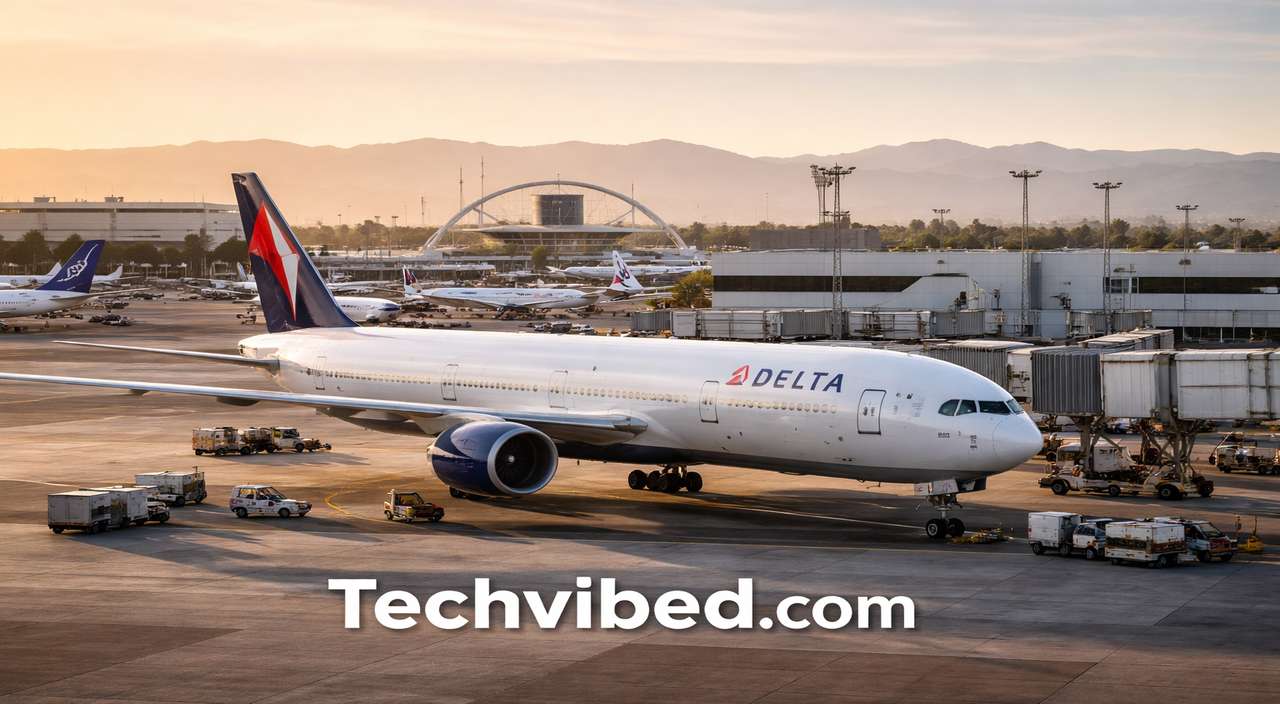
Air travel usually follows a planned route, but sometimes unexpected situations force a change. One such incident that caught attention was delta flight dl275 diverted lax. Passengers and aviation observers wanted to know what happened, why the plane changed its route, and how airlines manage these events.
When a flight diversion occurs, it can raise many questions. People wonder if it was caused by weather, a technical issue, or something else. Understanding the details behind delta flight dl275 diverted lax helps travelers learn how airlines handle safety and passenger care during unusual situations.
In this guide, we will explain the flight route, the reason a diversion might occur, how airports like LAX handle such situations, and what passengers should expect if their flight is diverted.
Overview of Delta Flight DL275
Delta Flight DL275 is an international flight operated by Delta Air Lines. The flight usually travels between major global cities and serves hundreds of passengers on long-distance routes. Flights like this often use large aircraft designed for comfort and long travel times.
International flights must follow strict safety rules. Pilots, flight controllers, and airline operations teams constantly monitor weather, aircraft systems, and airport conditions. If something changes during the trip, the crew may decide to adjust the route.
In the case of delta flight dl275 diverted lax, the flight did not continue directly to its planned destination. Instead, it landed at Los Angeles International Airport (LAX), which is one of the busiest and best-equipped airports in the world.
Why Flights Get Diverted
Safety Always Comes First
The most important rule in aviation is passenger safety. If pilots notice any issue that could affect the flight, they will choose the safest option available. Sometimes that means landing at a different airport.
In situations like delta flight dl275 diverted lax, the decision is usually made after careful discussion between the pilots and airline operations teams. The goal is to reduce risk and make sure the aircraft can land safely.
Airlines train crews to respond quickly to changing conditions. This preparation ensures that passengers remain protected even if plans change during the journey.
Weather Conditions
Weather is one of the most common reasons flights are diverted. Strong winds, heavy rain, thunderstorms, or low visibility can make landing at a planned airport difficult.
Pilots monitor weather updates during the entire flight. If the weather near the destination becomes unsafe, they may choose another airport with better conditions.
For example, if the original airport experiences sudden storms, a nearby airport such as LAX can serve as an alternative landing location.
Technical Checks or Mechanical Concerns
Another possible reason for delta flight dl275 diverted lax could involve a technical check. Aircraft systems are monitored closely during flight. If pilots receive an alert related to equipment or systems, they may land early for inspection.
This does not always mean something is seriously wrong. In many cases, it is a precaution. Airlines prefer to inspect the aircraft on the ground rather than take any risk in the air.
After landing, engineers examine the plane and confirm whether it can continue flying.
Will You Check This Article: Tarnplanen: Your Full Guide to Camouflage Tarps for Protection and Concealment
Why Los Angeles International Airport (LAX) Was Chosen
A Major Aviation Hub
Los Angeles International Airport is one of the largest airports in the United States. Because of its size and facilities, it often serves as a diversion airport for international flights.
Airports like LAX have long runways, advanced navigation systems, and experienced ground staff. These features make them ideal for handling unexpected landings.
When delta flight dl275 diverted lax, choosing a major airport ensured that the aircraft and passengers would receive proper support.
Maintenance and Technical Support
Large airports have airline maintenance teams ready to assist when aircraft arrive with technical concerns. These teams can inspect engines, systems, and other components quickly.
If the diversion involved a mechanical check, LAX would provide the necessary equipment and staff to handle the situation.
This quick response helps airlines reduce delays and decide whether the flight can continue or passengers need alternative arrangements.
Passenger Services
Another advantage of large airports is passenger support. Airports like LAX offer many services, including lounges, hotels, and transportation options.
When a flight diversion happens, airlines work with airport staff to help passengers. They may provide meals, accommodation, or new flight bookings depending on the situation.
Passengers on delta flight dl275 diverted lax likely received assistance from Delta representatives at the airport.
What Happens After a Flight Is Diverted
Communication With Passengers
When a flight changes its route, the crew usually informs passengers through announcements. The pilot explains the reason for the diversion and provides updates during the flight.
Clear communication helps passengers stay calm and understand what is happening.
After landing, airline staff usually provide more details about the next steps. They may explain whether the plane will continue the trip or if passengers will be placed on other flights.
Aircraft Inspection
If the diversion involved a technical concern, engineers inspect the aircraft after landing. This inspection can include checking sensors, engines, and onboard systems.
The goal is to confirm that the aircraft is safe before it flies again. Safety inspections are a normal part of airline operations and help maintain high safety standards.
If the aircraft passes inspection, the flight may continue after a delay.
Passenger Rebooking
Sometimes passengers need to be moved to other flights. Airlines work to minimize delays and help travelers reach their destination as soon as possible.
In some cases, passengers may stay overnight if no immediate flights are available. Airlines usually provide support such as hotel accommodation and meal vouchers when the delay is long.
For travelers involved in delta flight dl275 diverted lax, airline support teams would guide them through these options.
How Airlines Manage Flight Diversions
Flight Operations Centers
Airlines operate large control centers that monitor every flight. These centers track aircraft location, weather updates, and airport conditions.
When a situation develops during a flight, the operations team works with the pilots to decide the best course of action.
In the case of delta flight dl275 diverted lax, airline operations likely reviewed multiple airport options before choosing LAX.
Coordination With Air Traffic Control
Air traffic controllers help manage aircraft movement in busy airspace. If a plane needs to divert, controllers guide it to the new airport safely.
They coordinate with the destination airport to ensure that runways and gates are available.
This cooperation between pilots, controllers, and airline teams helps the diversion process run smoothly.
Ground Support and Logistics
Once the aircraft lands, ground crews take over many tasks. These teams guide the aircraft to a gate, help passengers exit, and begin inspections if needed.
Logistics teams also arrange fuel, catering, and cleaning if the aircraft continues its journey.
These efforts allow the airline to manage unexpected changes without causing unnecessary disruption.
Passenger Rights During Flight Diversions
Airline Responsibilities
When a diversion happens, airlines have responsibilities toward passengers. These responsibilities can include providing updates, offering assistance, and arranging new travel plans.
Policies vary by airline and country, but customer support remains an important part of airline service.
Passengers affected by delta flight dl275 diverted lax would typically receive instructions from airline staff regarding their travel options.
Compensation and Support
In some situations, passengers may receive compensation or vouchers. This usually depends on the cause of the diversion and the length of the delay.
If the diversion results from weather or safety concerns, compensation may be limited. However, airlines often still provide basic support such as meals or accommodation.
Passengers can contact airline customer service after the trip if they have questions about refunds or compensation.
Lessons From the Delta Flight DL275 Diversion
The incident involving delta flight dl275 diverted lax highlights how aviation safety systems work in real time. Pilots and airline teams constantly monitor conditions to ensure every flight remains safe.
A diversion may seem stressful for travelers, but it is often a precaution. Choosing an alternate airport allows crews to address issues quickly and safely.
For passengers, understanding why diversions happen can reduce anxiety. These decisions are made to protect everyone on board.
Air travel remains one of the safest forms of transportation because airlines prioritize safety over schedules.
Final Thoughts
The event involving delta flight dl275 diverted lax shows how airlines handle unexpected situations during long flights. From monitoring weather and aircraft systems to coordinating with major airports, many teams work together to manage diversions smoothly.
While flight changes can cause inconvenience, they also demonstrate the strong safety procedures built into modern aviation. Pilots, engineers, and airport staff all play important roles in protecting passengers.
For travelers, the key takeaway is that diversions are part of normal aviation safety practices. When a flight lands at an alternate airport, it is usually the safest and most responsible choice.
Understanding these processes helps passengers stay informed and confident during air travel.
Share this content:

Sosoactive: A Complete Guide to the Platform, Content, and Online Impact

5starstocks.com: A Complete Guide to Features, Benefits, and How It Works

Weber Grillvorführung: A Complete Guide to Live BBQ Demonstrations

Uncuymaza: Understanding the Popular Online Platform and Its Impact

The Complete Guide to XXXXXXXL Size CXX Clothing

Understanding Archivebate: A Complete Guide to the Webcam Archive Platform
-
 Tech News5 months ago
Uncuymaza: Understanding the Popular Online Platform and Its Impact
-
 Lifestyle5 months ago
The Complete Guide to XXXXXXXL Size CXX Clothing
-
 Lifestyle5 months ago
Understanding Archivebate: A Complete Guide to the Webcam Archive Platform
-

 Lifestyle5 months ago
Woodwork Coffee: The Art of Combining Craftsmanship and Your Daily Brew
-

 Lifestyle5 months ago
Witelovers: A Complete Guide to Minimalist Living and Clean Aesthetics
-

 Business4 months ago
Kwasi Kwarteng Net Worth: A Complete Guide
-

 Business4 months ago
PO Box 6887 Coventry: Your Complete Guide to This UK Mailing Address
-

 Health5 months ago
Joguart: What It Is, Benefits, How It’s Made, and How to Use It