
Health
What Is a FUPA? A Complete Guide to Understanding, Causes, and Management


What Is a FUPA Exactly?
Many people ask, “What is a FUPA?” It stands for Fatty Upper Pubic Area, a term for extra fat that builds up just above the pubic bone and below the belly button. This spot is also known as the mons pubis in medical terms. The fat here acts as a natural cushion for the pelvic bones, but when it grows too much, it can form a noticeable bulge. Both men and women can have this, though it’s often talked about more with women due to body changes like pregnancy. It’s not the same as regular belly fat, which spreads across the whole stomach. Instead, FUPA sits in a specific lower pocket. Having some fat there is normal, but excess can come from various reasons we’ll cover later. If you’re dealing with this, know that it’s common and there are ways to handle it.
The mons pubis, where FUPA happens, is the mound of tissue over the pubic bone. In women, it includes the labia majora on the sides, which can also hold extra fat. For men, it’s similar but without those parts. This area grows pubic hair during puberty and serves as protection during activities like walking or sex. When fat accumulates, it can make the area puff out, sometimes hanging over slightly. Medically, severe cases are called panniculus, especially if skin sags after weight loss. It’s not a disease, just a body variation. Understanding what a FUPA is helps reduce stigma, as media often ignores natural body shapes. If it bothers you, options range from lifestyle tweaks to medical help.
Who Can Develop a FUPA?
Anyone can develop a FUPA, regardless of age or gender. Women often notice it after pregnancy or during menopause due to hormone shifts that change fat storage. Men might see it from overall weight gain or aging, when metabolism slows. Even fit people can have it if genetics play a role, as some bodies store fat there first. Teens going through puberty might experience it as their bodies mature and fat redistributes. People who lose a lot of weight quickly, like after bariatric surgery, could end up with loose skin in that area, making the FUPA more visible. It’s not limited to overweight individuals; slim folks with certain body types can have it too. Factors like stress, which raises cortisol and promotes abdominal fat, affect everyone. Knowing what a FUPA is and who gets it shows it’s a widespread issue, not a personal failing.
Children rarely have prominent FUPA, but as adults, lifestyle habits increase the chance. Office workers with sedentary jobs might build fat there from lack of movement. Athletes in sports that don’t focus on core strength could develop it if they gain weight off-season. Ethnic backgrounds influence fat distribution, with some groups more prone to lower abdominal storage. Post-surgery patients, like those with C-sections, often deal with scarring that traps fat. Transgender individuals on hormone therapy might notice changes in this area too. Overall, what a FUPA is doesn’t define health, but recognizing risk groups helps with early management. If you’re in one of these categories, simple checks like measuring waist circumference can track changes.
Will You Check This Article: Innove Beauty & Wellness: Your Complete Guide to Advanced Skincare and Tanning
Common Causes of FUPA
Weight Gain and Obesity
One main cause of FUPA is weight gain, where fat collects in the upper pubic area as part of overall body fat increase. When you eat more calories than you burn, the body stores extra energy as fat, and for some, this spot fills up early. Obesity, especially morbid types, makes it worse because large fat deposits resist easy loss. Even after shedding pounds, the pubic fat might stay due to how the body holds onto it for protection. This happens because the mons pubis has dense tissue that traps fat cells. To address this, focus on steady weight control rather than crash diets, which can worsen skin sagging. Understanding what a FUPA is from weight gain helps motivate balanced eating and activity.
Pregnancy and Childbirth
Pregnancy often leads to FUPA as the body stores fat to support the baby, and hormones like estrogen shift storage to the lower belly. After birth, stretched skin and muscles might not snap back, leaving a bulge. C-sections add scars that can trap fat or cause uneven healing, making the area more prominent. Multiple pregnancies increase the risk, as each time weakens the abdominal wall. Breastfeeding helps some lose the fat faster by burning calories, but not always in that spot. Postpartum recovery with gentle exercises can help, but patience is key since full changes take months. Knowing what a FUPA is in this context reassures new moms it’s temporary for many.
Genetics and Hormonal Changes
Genetics decide where your body stores fat, so if family members have lower belly fat, you’re likely to too. Hormones play a big part; during puberty, estrogen in women builds fat in hips and pubic areas for childbearing. Menopause drops estrogen, shifting fat to the abdomen, including FUPA. In men, low testosterone can lead to similar storage. Stress hormones like cortisol encourage abdominal fat buildup. Thyroid issues or PCOS also contribute by messing with metabolism. You can’t change genes, but managing hormones through doctor visits or meds helps. What a FUPA is often ties back to these unseen factors, so don’t blame yourself fully.
Aging and Rapid Weight Loss
As you age, metabolism slows, making fat easier to gain and harder to lose, especially in the pubic area. Skin loses elasticity, so even mild fat there sags more. Rapid weight loss, like from diets or surgery, leaves loose skin that looks like FUPA without the fat. This “skin apron” or panniculus hangs and can cause irritation. Building muscle helps fill out the area, but time and consistent habits are needed. Creams with collagen might firm skin slightly, but results vary. Recognizing what a FUPA is from aging normalizes it as part of life, encouraging proactive steps like strength training.
Health Impacts of Having a FUPA
Physically, a FUPA can cause discomfort during movement, like rubbing against clothes leading to chafing or rashes. Tight pants or underwear might dig in, making sitting or walking painful. In severe cases, it interferes with hygiene, raising infection risks. If part of larger obesity, it adds to back strain or posture issues from uneven weight. Exercise can feel harder, discouraging activity and worsening the cycle. Emotionally, it affects self-image, leading to avoidance of swimsuits or intimacy. Many feel judged by societal standards, causing stress or low mood. What a FUPA is shouldn’t define worth, but seeking support like therapy helps cope.
On the health side, FUPA itself isn’t dangerous, but if tied to overall fat, it links to risks like diabetes, heart problems, or high blood pressure. Abdominal fat releases chemicals that inflame the body, harming organs. Monitoring with doctor checkups catches issues early. Loose skin from FUPA can trap moisture, breeding bacteria. Staying active reduces these risks while trimming the area. Understanding what a FUPA is and its effects empowers better choices, like combining diet with medical advice for safe management.
Non-Surgical Ways to Reduce FUPA
Diet Changes for Fat Loss
To reduce FUPA, aim for overall fat loss through a calorie deficit, eating fewer calories than you burn. Focus on whole foods like vegetables, lean proteins, fruits, and grains to stay full without extras. Cut sugary drinks and processed snacks that add empty calories. High-fiber meals help control hunger and improve digestion, aiding weight control. Track portions to avoid overeating. Hydration matters; water curbs false hunger. Pair this with meal planning for consistency. Remember, spot reduction isn’t real, so whole-body loss shrinks FUPA over time. What a FUPA is responds well to these habits, often showing results in weeks.
Exercise Routines Targeting the Area
While you can’t spot-reduce, exercises strengthening the lower core help tone under the fat. Planks build stability; hold for 30 seconds, building up. Leg raises target lower abs: lie flat, lift legs slowly. Cardio like walking or cycling burns overall fat. Aim for 150 minutes weekly. Strength training with weights boosts metabolism for faster loss. Yoga poses like boat pose engage the pubic area. Consistency is key; mix routines to avoid boredom. Warm up to prevent injury. Tracking progress with photos motivates. Knowing what a FUPA is means combining these with diet for best outcomes.
Other Lifestyle Tips
Wear supportive clothing like high-waist shapewear to smooth the area temporarily, boosting confidence. Get enough sleep; poor rest raises hunger hormones. Manage stress with walks or hobbies to lower cortisol. Quit smoking if you do, as it affects fat distribution. Stay consistent with habits for long-term change. Join support groups for motivation. What a FUPA is can improve with these small steps, making daily life easier.
Surgical Options for Removing FUPA
For stubborn FUPA, liposuction removes fat cells through small cuts, suctioning them out. It’s quick, with recovery in weeks, but bruising occurs. Monsplasty lifts and tightens the area, often with lipo. Tummy tucks remove skin and fat, flattening the whole abdomen. Panniculectomy focuses on hanging skin for medical reasons. Risks include infection, scarring, or uneven results. Choose a certified surgeon. Costs vary; insurance might cover if health-related. Post-op, wear compression garments. What a FUPA is can be fully addressed surgically when non-invasive fails.
Each surgery suits different needs: lipo for fat-only, tucks for skin too. Consultations assess suitability. Recovery involves rest, no heavy lifting. Results last if weight stays stable. Understanding what a FUPA is helps decide if surgery fits your goals.
How to Prevent FUPA
Prevent FUPA by maintaining a steady weight through balanced meals and regular activity. Build habits early, like daily walks. Strength train twice weekly to keep metabolism high. Monitor hormone health with checkups. Avoid yo-yo dieting that stretches skin. During pregnancy, gain weight gradually. Post-birth, ease into exercise. Hydrate and eat anti-inflammatory foods. What a FUPA is preventable with these routines, keeping the area firm.
Debunking Common Myths About FUPA
Myth: Only women get FUPA. Fact: Men do too, from similar causes. Myth: It’s always from poor diet. Fact: Genetics and hormones matter more sometimes. Myth: Creams alone fix it. Fact: They help mildly but need diet and exercise. Myth: Spot exercises remove it. Fact: Overall loss is required. What a FUPA is often misunderstood, but facts clear confusion.
When to See a Doctor
See a doctor if FUPA causes pain, infection signs, or sudden changes. If tied to weight issues affecting health, get advice. For surgery interest, consult specialists. Regular checkups track progress. What a FUPA is warrants medical input if impacting life quality.
In summary, knowing what a FUPA is equips you to manage it effectively. From causes to solutions, this guide covers key points for informed decisions. Adopt healthy habits, seek help when needed, and embrace your body.
Share this content:

Petdardas com stands out as a helpful online spot for people who love animals. This site brings together useful advice, tools, and a group of like-minded folks to make owning a pet easier and more fun. If you have a dog, cat, bird, or even a reptile, petdardas com offers info on health, training, and daily needs. It aims to help new and long-time pet owners give their animals the best life possible. With easy-to-find sections and fresh updates, it’s like having a pet expert right at your fingertips. Many users turn to it for quick answers and long-term plans.
What is Petdardas Com?
Petdardas com is an online hub made just for pet lovers. It gives free access to a wide range of topics on animal care, from basic feeding to handling tough health issues. The site started as a way to share knowledge among pet owners who found it hard to get good info in one place. Now, it covers dogs, cats, small pets like hamsters, and even exotic ones like snakes. Users can read articles, watch videos, and join talks. What makes it special is the mix of expert input from vets and real stories from everyday people. This setup ensures the content stays practical and up to date with current trends in animal welfare.
Unlike other sites that focus only on selling products, petdardas com puts education first. It includes guides on choosing the right food, spotting signs of illness early, and setting up a safe home for your pet. The layout is simple, with search tools to find what you need fast. For example, if your cat has behavior problems, you can find step-by-step fixes based on science. This approach helps build trust, as all advice comes from checked sources. Overall, it’s a full package that supports pet owners at every stage, from adoption to old age care.
The Mission Behind Petdardas Com
The main goal of petdardas com is to make pet ownership simple and rewarding for everyone. Founders saw that many people struggle with finding reliable info, so they built a place where quality comes first. They work with vets, trainers, and nutrition experts to create content that’s accurate and easy to use. This mission focuses on preventing problems before they start, like teaching about regular check-ups or balanced diets. By doing this, the site helps reduce trips to the vet and keeps pets happier longer.
Petdardas com also wants to create a sense of belonging among users. It encourages sharing tips and experiences, turning visitors into active members. For instance, if someone has a rescue dog with trust issues, they can learn from others who faced the same thing. The site promotes responsible ownership, like spaying and neutering, to cut down on stray animals. Through these efforts, it not only informs but also inspires better practices. In short, the mission is about building stronger bonds between humans and their pets while making care less overwhelming.
Will You Check This Article: The Complete Vegg List: Your Guide to Vegetables for Better Meals
Key Features of Petdardas Com
Petdardas com packs in many tools to help with pet needs. One standout part is the search bar that lets you type in symptoms or questions for quick results. There are also quizzes to match you with the best pet type or diet plan. The site updates weekly with new posts on topics like seasonal allergies or holiday safety. Users can save favorites or get email alerts for fresh content. These features make it easy to stay informed without spending hours looking around.
Comprehensive Health Guides on Petdardas Com
Health sections on petdardas com cover everything from common colds to serious conditions like diabetes in cats. Each guide explains symptoms, causes, and treatments in plain terms. For dogs with joint pain, you’ll find info on supplements, exercises, and when to see a vet. The site stresses preventive steps, such as vaccinations and flea control, to avoid bigger issues. Real examples from users add value, showing how advice worked in practice. This depth helps owners feel confident in handling health matters at home while knowing when professional help is needed.
Petdardas com includes breed-specific health tips too. For example, bulldogs often have breathing problems, so there are tailored plans to manage that. Nutrition plays a big role, with charts on portion sizes and ingredient lists to avoid. If your pet is overweight, guides offer safe weight loss methods without harsh diets. All this info comes with links to studies for those who want more proof. By covering both general and specific health, the site acts as a first stop for concerns, saving time and worry.
Training and Behavior Tips from Petdardas Com
Training resources on petdardas com make teaching your pet straightforward. They break down methods like positive reinforcement, where treats reward good actions. For puppies learning to walk on a leash, step-by-step videos show how to start slow and build up. The site addresses common issues like barking too much or scratching furniture, with fixes that fit different home setups. Tips come from certified trainers, ensuring they’re safe and effective.
Behavior parts dig into why pets act out, like anxiety from being alone. Petdardas com suggests tools such as puzzle toys or calming scents to help. For cats that hide a lot, advice includes creating safe spaces and slow introductions to new people. Users can share their success stories in comments, adding real-world proof. This section helps turn challenging behaviors into manageable ones, strengthening the pet-owner relationship. It’s especially useful for first-time owners who might feel lost.
Product Reviews and Recommendations at Petdardas Com
Petdardas com helps sort through countless products with honest reviews. They test items like leashes, beds, and foods, rating them on durability, price, and pet approval. For dry dog food, reviews list pros like joint support ingredients and cons like high cost. The site groups picks by budget or need, such as eco-friendly toys or hypoallergenic shampoos. This saves money by pointing to worthwhile buys and avoiding duds.
Recommendations factor in user feedback too. If many say a collar chafes, it’s noted clearly. Petdardas com partners with brands but keeps reviews fair. For exotic pets, you’ll find niche items like heat lamps for reptiles. Each review includes alternatives if the main one doesn’t fit. This feature turns shopping from guesswork into informed choices, helping owners get the best for their pets without overspending.
How to Get Started with Petdardas Com
Starting on petdardas com is easy and free. Just visit the site and browse categories like health or training. Sign up for an account to join forums or save articles. New users can take a quiz to get personalized suggestions based on their pet’s type and age. Search for specific topics, like “puppy teething tips,” to find targeted help. The mobile-friendly design means you can check it on your phone during walks or vet waits.
To make the most of it, set up email updates for new content. Join discussions to ask questions and get answers from experts or other owners. Petdardas com has tutorials on using features, like uploading pet photos for advice. Track your pet’s progress with printable charts from the site. By engaging regularly, you’ll build a routine that keeps your pet’s care on point. It’s designed for busy people, so even short visits provide value.
Benefits of Joining the Petdardas Com Community
Being part of petdardas com means access to a supportive group. Forums let you connect with others facing similar challenges, like potty training a stubborn pup. This reduces isolation and offers fresh ideas. The site hosts live Q&A sessions with vets, giving direct answers. Members often share deals on products or local events, adding extra perks.
Community features build knowledge through shared experiences. For example, reading about someone’s journey with an aging cat can prepare you for similar situations. Petdardas com moderates talks to keep them positive and helpful. Over time, this creates lasting friendships and a network for advice anytime. The benefit is a more confident approach to pet care, backed by collective wisdom.
Real User Experiences with Petdardas Com
Many users praise petdardas com for changing how they care for their animals. One dog owner shared how health guides helped spot an allergy early, avoiding a big vet bill. A cat lover used training tips to stop nighttime meowing, leading to better sleep for everyone. These stories highlight the site’s practical impact.
Testimonials often mention the friendly community. A new reptile keeper got setup advice that made their lizard thrive. Petdardas com features these on the site to inspire others. Users note the info’s accuracy, with few mistakes compared to general searches. Overall, experiences show it as a reliable ally in pet ownership.
Future Updates for Petdardas Com
Petdardas com plans to add more interactive tools, like app integration for tracking pet health stats. They’ll expand video content with live demos on grooming. Partnerships with shelters could bring more adoption listings. The team aims to cover more pet types, including fish and horses.
User input drives changes, with surveys for feedback. Upcoming features include personalized meal planners and virtual vet chats. These will keep the site fresh and useful. By growing this way, petdardas com stays ahead in helping pet owners.
In summary, petdardas com serves as a key tool for anyone with pets. It combines info, community, and resources to simplify care. Whether you’re starting out or have years of experience, the site offers something valuable. Check it out to see how it can improve your pet’s life today.
Share this content:
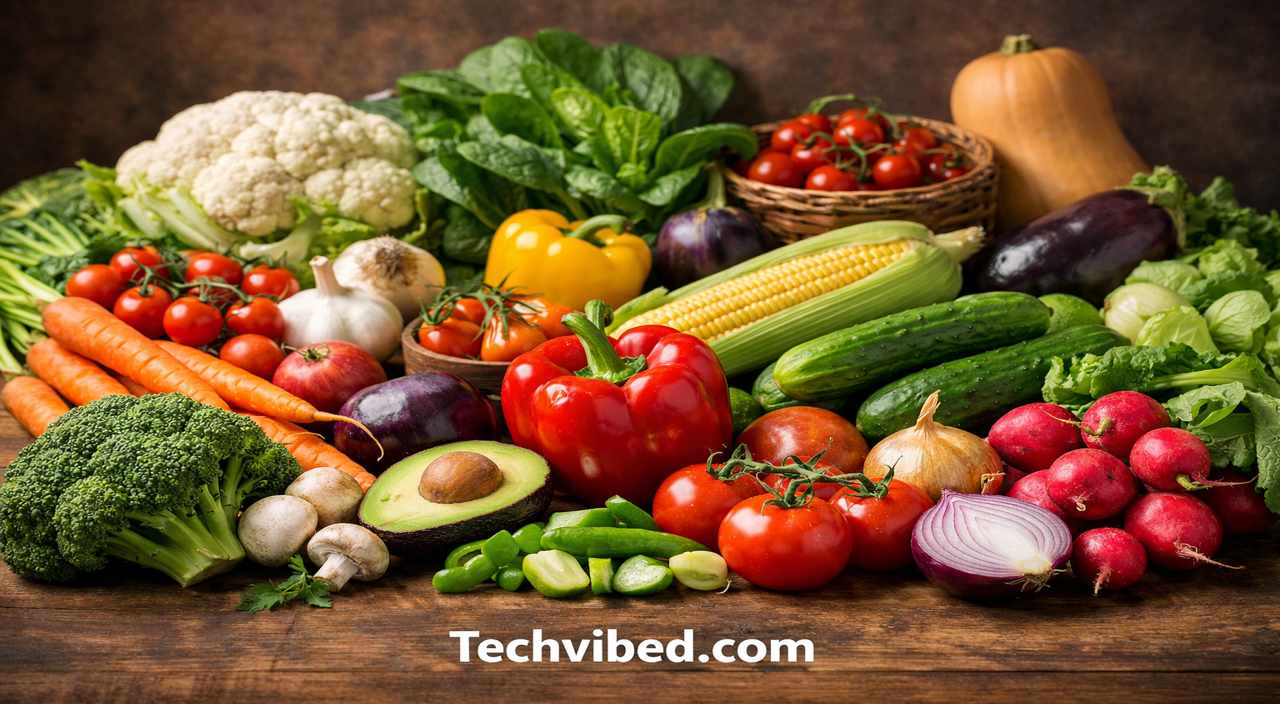
Start with this vegg list to make smart choices in the kitchen. Vegetables offer key nutrients that support good health. This post covers a full vegg list, from types to tips. You will find clear info on picking, storing, and using them. Whether you shop for family meals or plan a garden, this guide helps. It answers common questions and gives practical advice. Read on to build your own vegg list and enjoy fresh produce every day.
What is a Vegg List?
A vegg list is a simple tool that names different vegetables. It helps people track what to buy or grow. Many use it for meal planning or to try new options. For example, it can include items like carrots, spinach, and tomatoes. This list reminds you of seasonal picks and nutrient-rich choices. It prevents waste by focusing on what you need. Beginners find it useful to learn about veggies they might skip. Experts use it to vary their diet. Overall, a vegg list makes eating healthy easier and more fun. It turns shopping into a quick task with purpose.
Creating a vegg list starts with your needs. Think about family size, tastes, and budget. List basics first, like onions and potatoes, which last long. Add colors for variety, such as red peppers or green broccoli. Check for allergies or preferences. Include amounts, like two heads of lettuce per week. Update it based on sales or harvests. This keeps costs low and meals fresh. A good vegg list saves time at the store. It also encourages balanced plates with half veggies. In time, it becomes a habit that boosts your well-being.
Benefits of Using a Vegg List
A vegg list promotes better nutrition. Vegetables provide vitamins, minerals, and fiber. For instance, leafy greens like kale give vitamin K for bone health. Root veggies such as beets offer iron to fight tiredness. Regular use of a vegg list ensures you get these daily. It reduces the chance of missing key foods. Studies show people with lists eat more produce. This leads to stronger immunity and steady energy. Plus, it helps control weight by filling you up with low-calorie options. In short, a vegg list is a step toward lasting health gains.
Shopping becomes smarter with a vegg list. It cuts impulse buys and saves money. Focus on in-season items like summer squash or winter cabbage for lower prices. The list guides you to bulk buys for staples. It also minimizes food spoilage by matching amounts to your use. Families report less waste when using lists. Markets often have deals on list items. Over months, this adds up to big savings. A vegg list turns errands into efficient trips. You leave with exactly what supports your meals.
A vegg list sparks creativity in cooking. It introduces new veggies like fennel or okra. Try roasting them or adding to soups. This breaks routine and excites taste buds. Kids might try more when involved in the list. Recipes based on the list use what you have. For example, mix carrots and peas in a stir-fry. It builds skills over time. Home cooks gain confidence with varied ingredients. A vegg list transforms basic meals into flavorful ones. It keeps dining interesting without extra effort.
How to Create Your Own Vegg List
Begin by noting your favorites. Write down veggies you eat often, like cucumbers or beans. This forms the base of your vegg list. Next, add new ones to try, such as artichokes or radishes. Research quick facts on each for motivation. Consider storage life; pick hardy ones like carrots for longer keep. Balance the list with different types for full nutrition. Use apps or notebooks to organize it. Review weekly to adjust for changes. This method makes your vegg list personal and effective. It grows with your habits.
Group items by category in your vegg list. Separate leafy, root, and fruit veggies. This setup aids shopping in store sections. For each, note quantities based on recipes. If you cook stir-fries, add more bell peppers. Factor in prep time; choose easy ones like cherry tomatoes. Include notes on washing or cutting. Share the list with others for input. Digital tools let you sort and search fast. A grouped vegg list streamlines planning. It ensures nothing gets forgotten.
Update your vegg list often. Check what worked last time and tweak. If broccoli went bad, buy less next. Add seasonal swaps, like zucchini in summer. Track prices to spot patterns. Use feedback from meals to refine choices. For health goals, prioritize low-sugar options like celery. Set reminders to revise monthly. This keeps the vegg list relevant. It adapts to life changes, like new diets. A fresh list maintains interest in veggies.
Will You Check This Article: Insoya: Your Complete Guide to This Innovative Plant-Based Protein
Categories of Vegetables in the Vegg List
Vegetables fall into groups based on plant parts. This helps in your vegg list. Leafy ones come from leaves, roots from underground. Each group has unique traits and uses. Knowing them aids in balanced meals. For example, mix a leafy with a root for texture. Categories guide storage too; some need cold, others room temp. They influence cooking methods. A vegg list by category makes selection simple. It covers all needs without gaps.
Leafy Greens in the Vegg List
Leafy greens top many vegg lists for their nutrients. Spinach, lettuce, and kale are common. They pack vitamin A for eye health and folate for cell growth. Eat them raw in salads or cooked in stir-fries. Wash well to remove dirt. Store in the fridge for up to a week. Choose fresh bunches without wilt. These veggies add crunch and color. They help with digestion due to high fiber. Include two or three in your weekly vegg list. Pair with dressings for taste. They suit quick meals.
More options in leafy greens expand your vegg list. Try arugula for a peppery kick or swiss chard for mild flavor. Both offer calcium for bones. Steam or sauté them. Avoid overcooking to keep vitamins. Buy organic if possible to cut pesticides. These greens work in smoothies too. They boost iron levels, aiding energy. Rotate types to prevent boredom. A vegg list with variety ensures steady intake. They fit vegan or low-carb plans.
Root Vegetables in the Vegg List
Root veggies anchor a solid vegg list. Carrots, beets, and potatoes store energy underground. They give carbs for fuel and antioxidants for cell protection. Roast them for sweetness or boil for soups. Scrub skins before use. Keep in cool, dark spots for months. Select firm ones without soft areas. These add heartiness to dishes. They support gut health with fiber. Aim for a few in each vegg list. Grate raw for salads.
Expand with turnips or radishes in your vegg list. Turnips bring mild spice, radishes add crispness. Both provide vitamin C for skin. Bake or pickle them. Check for freshness by feel. These roots suit cold weather meals. They help with blood pressure control. Mix in stews for depth. A diverse vegg list includes them for balance. They store well, reducing trips.
Bulb Vegetables in the Vegg List
Bulb veggies like onions and garlic flavor your vegg list. They grow as layered bulbs. Rich in sulfur for heart benefits and allicin for immunity. Chop for bases in cooking. Store dry and away from light. Pick heavy bulbs without sprouts. These enhance any meal. They fight inflammation. Include basics in every vegg list. Mince fine for even taste.
Add fennel or leeks to the bulb section of your vegg list. Fennel offers licorice notes, leeks mild onion taste. Both supply potassium for muscles. Slice thin for salads or braise. Avoid wilted stalks. These add aroma to stocks. They aid digestion. Use in diverse cuisines. Your vegg list gains versatility with them.
Stem Vegetables in the Vegg List
Stem veggies such as celery and asparagus build a vegg list. They come from plant stalks. Provide crunch and low calories. Celery has water for hydration, asparagus folate for mood. Eat raw with dips or grill. Trim ends before use. Refrigerate wrapped for crispness. Choose straight stems. They refresh snacks. Support kidney function. Stock up in your vegg list.
Include rhubarb or kohlrabi in stem choices for your vegg list. Rhubarb tarts up pies, kohlrabi crunches like apple. Both offer fiber for fullness. Cook rhubarb to soften. Peel kohlrabi. These suit unique recipes. They boost vitamin intake. Experiment in meals. A vegg list with stems adds texture.
Flower Vegetables in the Vegg List
Flower veggies like broccoli and cauliflower star in a vegg list. They form buds. Loaded with vitamin C for healing and sulforaphane for detox. Steam to keep firm or roast for char. Cut florets even. Store cold for a week. Select tight heads. These fill plates. They protect cells. Feature them often.
Try artichokes or broccolini in your flower vegg list. Artichokes heart tender, broccolini slim. Both give antioxidants. Boil artichokes, stir-fry broccolini. Trim leaves. These impress guests. Aid liver health. Your list evolves with them.
Seasonal Vegg List Ideas
Seasons shape a smart vegg list. Spring brings asparagus and peas for light dishes. Summer offers tomatoes and corn for salads. Fall has squash and pumpkins for warmth. Winter roots like parsnips hold up in roasts. This approach saves money and boosts flavor. Local farms supply fresh picks. Adjust your vegg list quarterly. It connects you to nature’s cycle. Meals taste better with timely choices.
In spring, focus on greens in your vegg list. Radishes and lettuce grow fast. They add snap to wraps. Peas provide protein. Grill asparagus for sides. These keep light after winter. They refresh energy. A seasonal vegg list aligns with body needs.
Summer vegg list highlights fruits like zucchini and peppers. Grill or stuff them. Berries count as treats, but focus veggies. Cucumbers hydrate. This keeps cool in heat. Variety prevents repeat. Your list stays exciting.
Nutritional Highlights from the Vegg List
Vegetables in a vegg list deliver key vitamins. Vitamin C in peppers aids iron take-up. Potassium in potatoes balances fluids. Each type contributes. Mix for full coverage. Track intake with your list. This prevents shortages. A balanced vegg list supports daily function.
Fiber stands out in a vegg list. Beans and broccoli move food through. This eases bowels and curbs hunger. Aim for 25 grams daily. Veggies help reach it. Your list ensures steady supply. It promotes gut balance.
Antioxidants protect in a vegg list. Beets fight damage with betalains. Greens shield with lutein. These lower disease risk. Include colorful ones. Your vegg list becomes a shield.
Tips for Incorporating the Vegg List into Your Diet
Start small with your vegg list. Add one new veggie weekly. Try it in familiar ways, like carrots in soup. This builds habit without overwhelm. Track reactions for likes. Your list guides progress. Meals improve step by step.
Pair veggies from the vegg list in recipes. Mix spinach with eggs or beans with rice. This boosts fullness. Use herbs for flavor. Simple changes add up. Your diet shifts naturally.
Store right to use your vegg list fully. Keep roots dry, greens moist. This extends life. Plan meals around short-shelf items first. Less waste means more value. Your vegg list works better.
In summary, a vegg list is a key tool for healthy habits. It organizes choices and inspires meals. Use this guide to start yours today. Enjoy the gains in energy and taste. Keep it handy for ongoing success.
Share this content:
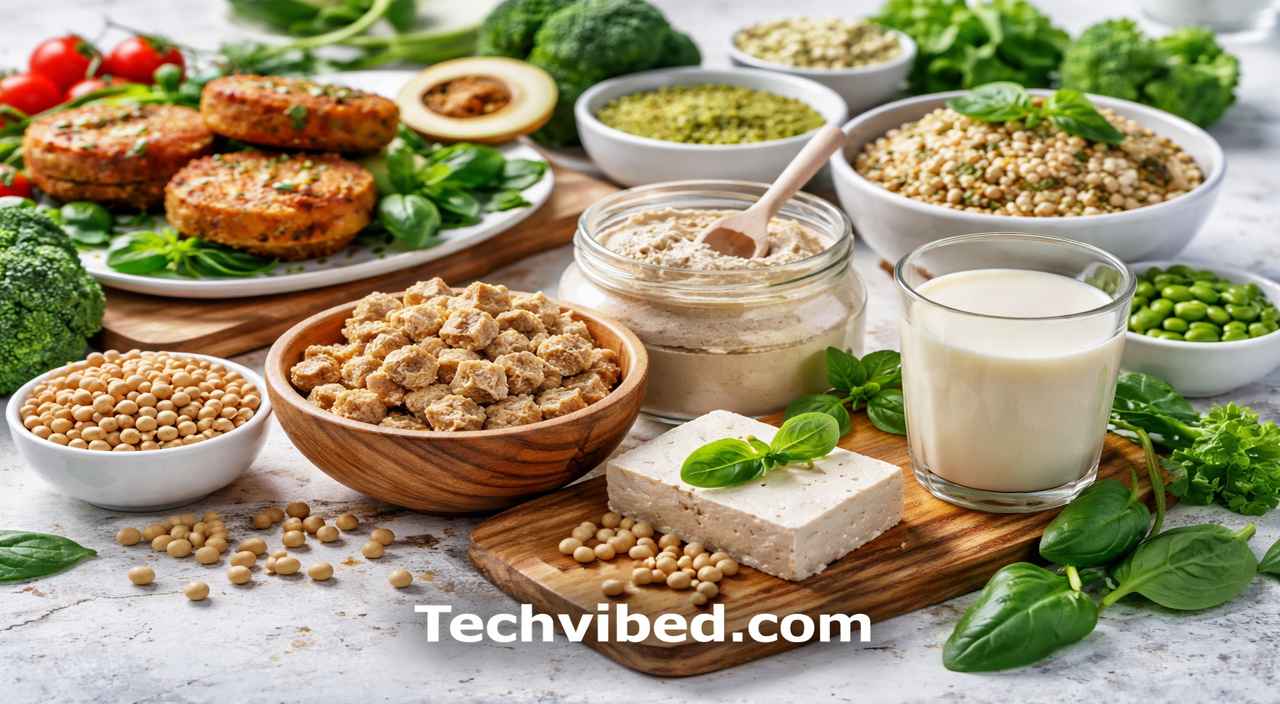
Insoya stands out as a fresh twist on soy that fits right into today’s focus on healthy eating and green living. It takes the best parts of soy and boosts them with new methods to make it easier to digest and more packed with goodness. People turn to insoya for its role in plant-based diets, offering a solid protein source without the downsides of animal products. This guide covers everything from what insoya is to how you can add it to your meals, giving you all the facts to make smart choices. Whether you’re new to plant-based options or looking to switch things up, insoya could be a great fit for your routine.
What is Insoya?
Insoya refers to an upgraded form of soy protein that uses advanced techniques like fermentation and added nutrients to improve on regular soy. It comes from non-GMO soybeans and gets processed to cut down on things that can cause stomach issues, such as anti-nutrients. This makes insoya a complete protein with all the amino acids your body needs, much like meat or eggs, but from plants. Brands often add vitamins like B12 and iron to fill common gaps in vegan diets. In short, insoya is soy made better for modern needs, focusing on taste, health, and ease of use.
Unlike basic soy products like tofu or soy milk, insoya goes through extra steps to boost its value. For example, fermentation brings in probiotics that help your gut, while fortification adds key minerals. This results in products that absorb better into your body, giving you more bang for your buck. Insoya appears in forms such as powders, bars, and textured proteins, making it simple to swap into everyday foods. It’s not just a trend; it’s a practical choice for anyone wanting reliable plant protein without extra hassle or waste.
How Insoya is Produced
The process starts with growing soybeans on farms that follow green practices, avoiding harsh chemicals to keep the soil healthy. Farmers pick non-GMO types and harvest them at the right time for top quality. Then, the beans get cleaned, soaked in water to soften, and ground into a paste. Heat and pressure pull out the protein, and advanced methods like fermentation with special bacteria make it easier to digest. This step also cuts down on unwanted flavors and adds helpful microbes.
After that, makers enrich insoya with nutrients like omega-3s or calcium to make it more complete. They use techniques such as enzyme treatment to break down tough parts, improving how your body takes in the goodness. The final products get dried or shaped into powders, chunks, or ready items, with a focus on low waste. Packaging often uses recyclable materials to support the eco-friendly side. This careful production ensures insoya stays fresh, safe, and ready for your kitchen or gym bag.
History and Evolution of Insoya
Soy has been around for thousands of years, starting in places like China and Japan where people ate it as tofu, miso, or tempeh. It played a big part in daily meals and even cultural events. As trade spread, soy reached other parts of the world, becoming a key crop for food and feed. In recent times, with more folks choosing plant-based eats, experts saw room to improve soy’s downsides like hard digestion or plain taste. That’s where insoya came in, building on old traditions with new science.
Insoya grew from research in food labs and startups aiming to fix soy’s issues. By the 2020s, teams used fermentation and tech to make soy more appealing. This shift answered calls for sustainable proteins as animal farming’s impact became clear. Insoya blends ancient soy wisdom with tools like probiotic strains and biofortification. Today, it’s part of a bigger move toward functional foods that do more than fill you up—they support your health and the planet too.
Will You Check This Article: The Complete Guide to Aponeyrvsh: Everything You Need to Know
Nutritional Profile of Insoya
Insoya packs a strong punch with about 52 grams of protein per 100 grams, making it a top pick for building muscle or staying full. It includes all nine essential amino acids, so it’s a full protein source on its own. Low in fat at just 1 gram per serving and free of cholesterol, it fits well for heart-focused diets. Fiber comes in at 13 grams, helping with digestion and keeping blood sugar steady. Many versions add extras like magnesium for energy and calcium for bones.
What sets insoya apart is its boosted absorption thanks to processing. Fermentation breaks down barriers that block nutrient uptake in regular soy, so you get more iron and zinc into your system. Isoflavones act as natural antioxidants, fighting off cell damage. Compared to other plants, insoya offers a balanced mix without needing to combine foods. It’s also often fortified with B12, a must for those skipping animal products. Overall, this profile makes insoya a smart, all-around nutrient provider.
Insoya vs. Traditional Soy
Traditional soy like edamame or tofu gives basic protein but can cause bloating from anti-nutrients. Insoya fixes this with fermentation, cutting those issues by up to 70 percent for smoother digestion. Nutrient-wise, insoya adds vitamins and minerals that plain soy might lack, like omega-3s for brain health. Taste improves too, losing the beany flavor for something milder and easier to mix in recipes. While both are plant-based, insoya feels more modern and user-friendly.
In terms of sustainability, both come from soybeans, but insoya often uses organic farming for cleaner production. Protein yield stays high, but insoya’s enhancements mean you need less to get the same benefits. For athletes, insoya supports quicker recovery due to better peptides. If you’re sensitive to soy, insoya’s refined form might work better. Choosing between them depends on your needs—traditional for simple cooking, insoya for added health perks.
Health Benefits of Insoya
Eating insoya can help your heart by lowering bad cholesterol and keeping blood pressure in check. Its isoflavones work to improve blood flow and cut inflammation, reducing risks for heart problems. Studies show regular intake leads to better lipid levels, especially when replacing animal fats. The low saturated fat content adds to this, making insoya a heart-smart choice for daily meals. Pair it with veggies for even stronger effects.
For bones, insoya’s calcium and magnesium help build density and prevent breaks as you age. Women after menopause find it useful for keeping bones strong without dairy. The added vitamin D in some products aids absorption, fighting off conditions like osteoporosis. Active people benefit too, as it supports joint health during workouts. Including insoya a few times a week can make a real difference in long-term bone care.
Digestive and Gut Health
Insoya promotes good digestion with its fiber and probiotics from fermentation. These help balance your gut bacteria, leading to regular bowel movements and less discomfort. Unlike raw soy, it has fewer lectins and phytates, so nutrients pass through easier without gas or bloating. Users often report feeling lighter after meals. For those with mild gut issues, starting small builds tolerance. It’s a gentle way to boost fiber intake.
The gut-brain link gets a lift from insoya’s microbes, which may improve mood and focus. Regular use can reduce inflammation in the digestive tract, helping with conditions like IBS. Combine it with yogurt alternatives or fermented foods for max benefits. Overall, insoya turns soy into a gut-friendly option that supports your whole body’s balance.
Weight Management and Fitness
Insoya aids weight control by keeping you full longer with its protein and fiber mix. This cuts down on snacking and helps manage calories without feeling hungry. Its low glycemic index keeps blood sugar stable, avoiding crashes that lead to overeating. For fitness fans, it speeds muscle repair after exercise, supporting gains without extra fats. Use it in shakes for quick recovery.
Athletes like insoya for its complete amino acids that build strength and endurance. It fits into meal plans for cutting or bulking, offering versatile options like bars or powders. Women may see hormonal balance, easing cravings during cycles. Start with 25 grams a day and adjust based on activity. Insoya makes staying fit simpler and more sustainable.
Sustainability and Environmental Impact of Insoya
Insoya helps the planet by using less water and land than meat production. Soybeans grow efficiently, yielding more protein per acre while cutting greenhouse gases. Farms for insoya often skip pesticides, protecting soil and wildlife. This choice reduces your carbon footprint with every meal, supporting a cleaner earth. It’s a small step with big results for climate efforts.
By picking insoya, you back fair farming that boosts local economies and food access in needy areas. Its long shelf life means less waste, and packaging focuses on recyclables. Compared to dairy or beef, insoya saves resources and fights deforestation. As demand grows, it pushes for better practices across the food chain, making healthy eating good for everyone.
How to Incorporate Insoya into Your Diet
Adding insoya is easy—start with protein powders in your morning smoothie for a quick boost. Mix it with fruits, nuts, and plant milk for a tasty start. For lunch, use textured insoya in salads or wraps as a meat swap. It takes on flavors well, so season with herbs or spices. Snacks like bars keep energy up without sugar highs. Aim for variety to keep things fresh.
For dinner, try insoya chunks in stir-fries or curries with veggies and rice. Bake with flour for bread or muffins that add nutrition. If you’re baking, replace part of regular flour with insoya for extra protein. Kids can enjoy it in pancakes or yogurt mixes. Track how it feels and adjust portions to suit your body.
Popular Insoya Products
Look for insoya in powders, ideal for shakes and baking. Textured versions work great as ground meat in tacos or pasta. Milk and yogurt options offer dairy-free choices for cereals or sauces. Bars and crisps make handy snacks for busy days. Some brands add flavors like vanilla or chocolate for appeal. Check labels for organic seals.
Flour from insoya boosts baked goods, while granules fit soups or stews. Ready-to-eat items like burgers save time. Supplements in capsules target specific needs like iron. With so many forms, insoya suits any lifestyle, from vegan to flexitarian.
Simple Recipes with Insoya
Try an insoya smoothie: blend one scoop of powder with banana, berries, and almond milk. Add spinach for greens. This takes five minutes and gives protein for the day. For a stir-fry, soak chunks in hot water, then cook with garlic, broccoli, and soy sauce over rice. It serves two and packs veggies. Adjust spices to taste.
Make insoya patties: mix granules with onions, breadcrumbs, and eggs (or flax for vegan), form into shapes, and fry. Serve on buns with lettuce. Brownies get a lift by swapping half the flour with insoya—bake as usual for fudgy treats. These ideas show insoya’s flexibility in sweet or savory dishes.
Potential Side Effects and Considerations
Most people handle insoya well, but soy allergies mean skipping it altogether. Start slow if new to soy, as too much at once might cause mild gas. Those with thyroid issues should watch intake and get enough iodine, since high amounts could affect hormones. Always talk to a doctor if you have conditions. Moderation keeps things safe.
Overdoing insoya might lead to digestive upset, so stick to 25-50 grams daily based on your activity. Pregnant folks or kids can use it, but check with pros for right amounts. Choose non-GMO brands to avoid worries about modified crops. Listening to your body helps spot any rare reactions early.
Common Questions About Insoya
Is insoya safe for everyday use? Yes, in moderate amounts as part of a balanced diet. It provides steady protein without overload. Can it help with diabetes? Its low sugar impact stabilizes levels, making it a good pick—pair with whole foods. Does insoya affect hormones? For most, no; isoflavones can even help balance them. Consult if concerned.
Where to buy insoya? Health stores, online sites like Amazon, or supermarkets carry it. Look for certified organic. Is it better than pea protein? Insoya offers complete aminos and extras like isoflavones, while pea is hypoallergenic—both have places. How does it taste? Mild and versatile, easy to flavor in recipes.
Share this content:

Sosoactive: A Complete Guide to the Platform, Content, and Online Impact

5starstocks.com: A Complete Guide to Features, Benefits, and How It Works

Weber Grillvorführung: A Complete Guide to Live BBQ Demonstrations

Uncuymaza: Understanding the Popular Online Platform and Its Impact

The Complete Guide to XXXXXXXL Size CXX Clothing

Understanding Archivebate: A Complete Guide to the Webcam Archive Platform
-
 Tech News5 months ago
Uncuymaza: Understanding the Popular Online Platform and Its Impact
-
 Lifestyle5 months ago
The Complete Guide to XXXXXXXL Size CXX Clothing
-
 Lifestyle5 months ago
Understanding Archivebate: A Complete Guide to the Webcam Archive Platform
-

 Lifestyle5 months ago
Woodwork Coffee: The Art of Combining Craftsmanship and Your Daily Brew
-

 Lifestyle5 months ago
Witelovers: A Complete Guide to Minimalist Living and Clean Aesthetics
-

 Business4 months ago
Kwasi Kwarteng Net Worth: A Complete Guide
-

 Business4 months ago
PO Box 6887 Coventry: Your Complete Guide to This UK Mailing Address
-
 Health5 months ago
Joguart: What It Is, Benefits, How It’s Made, and How to Use It